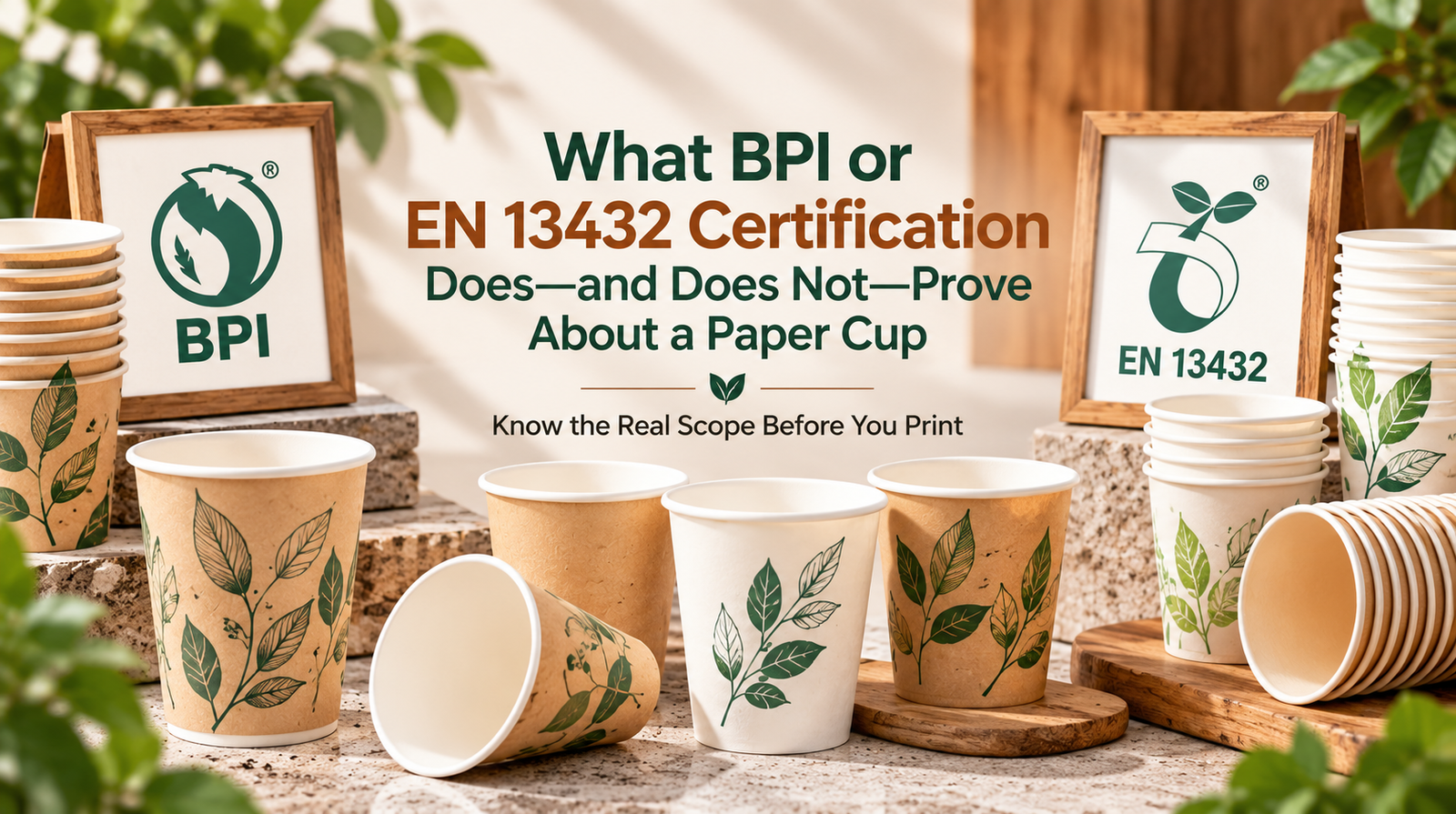
BPI and EN 13432 certify a specific finished product configuration, not a raw material. A certified compostable resin or paperboard doesn’t stay certified once you add printing ink, a different coating, or a new laminate; each finished configuration needs its own testing. If your printed cup doesn’t match the exact configuration that was tested, you can’t rely on someone else’s certificate for it.
The problem you’re actually solving
Your paperboard or resin supplier hands you a BPI or EN 13432 certificate. You assume it covers your finished, printed cup. Then a customer or auditor asks for proof matching your actual SKU, and the certificate you have doesn’t name it.
This happens because these certifications attach to a tested configuration, not a material family. A raw material passing the underlying test doesn’t automatically carry that pass-mark through printing, coating changes, or lamination. The FAQ language from BPI itself is direct about this: if a customer modifies a certified item, even something as small as adding printing or date labeling, the license holder and customer risk losing the certification unless BPI is informed and a modification review is completed first.
You inherit that gap if you print or convert a certified material without checking whether the certification survives the change. A supplier’s certificate for their base material doesn’t automatically become your certificate for your finished cup.
Definitions: what each certification actually is
BPI certification. Administered by the Biodegradable Products Institute, based on ASTM D6400 for plastics but extending beyond it. BPI applies additional requirements, including PFAS restrictions and contamination-risk screening for composters. It certifies compostability under industrial composting conditions in the US and Canada.
EN 13432. A European standard covering packaging recoverable through composting and biodegradation. It tests four things: biodegradability, disintegration, chemical safety, and ecotoxicity. Like BPI, it certifies the finished configuration, not the base resin alone.
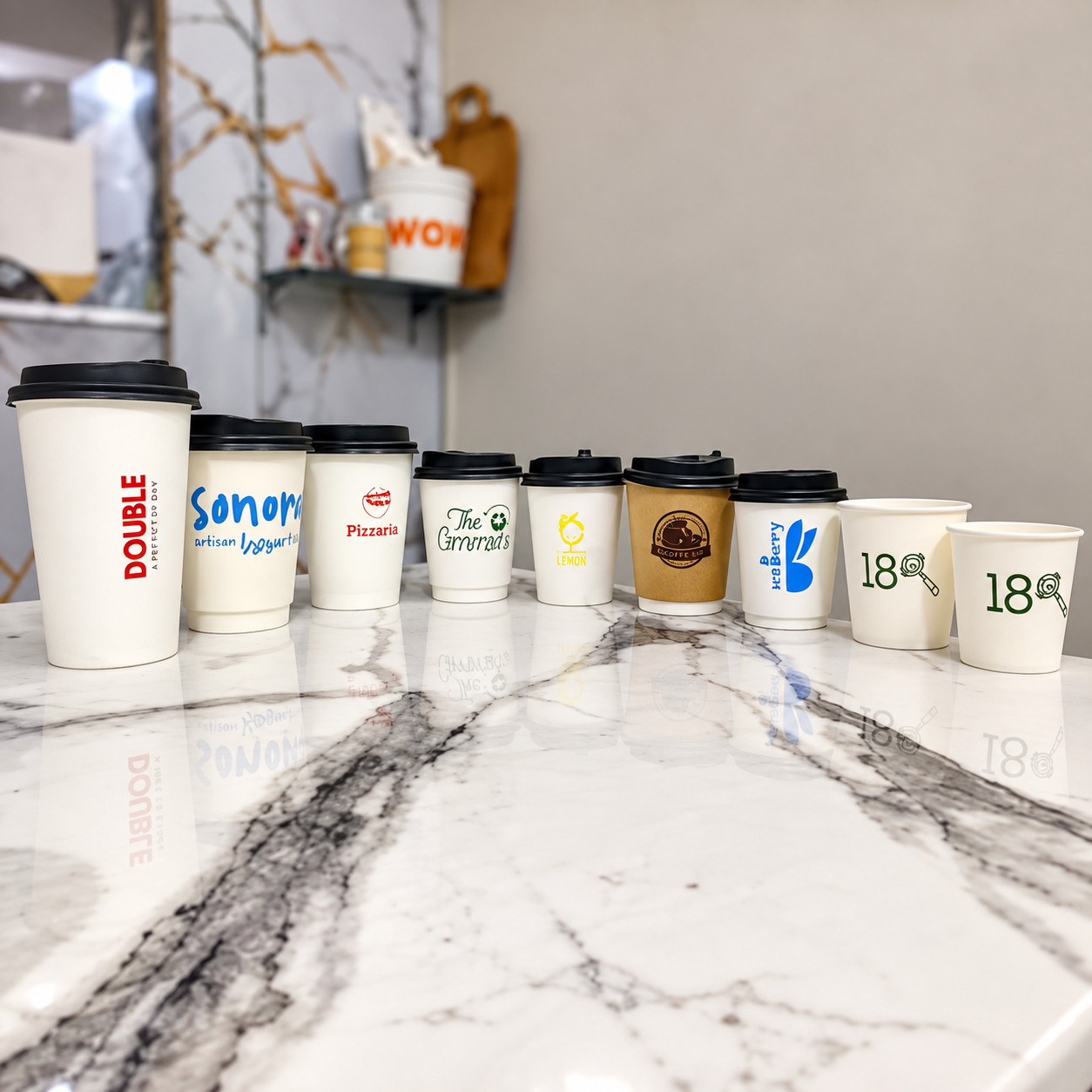
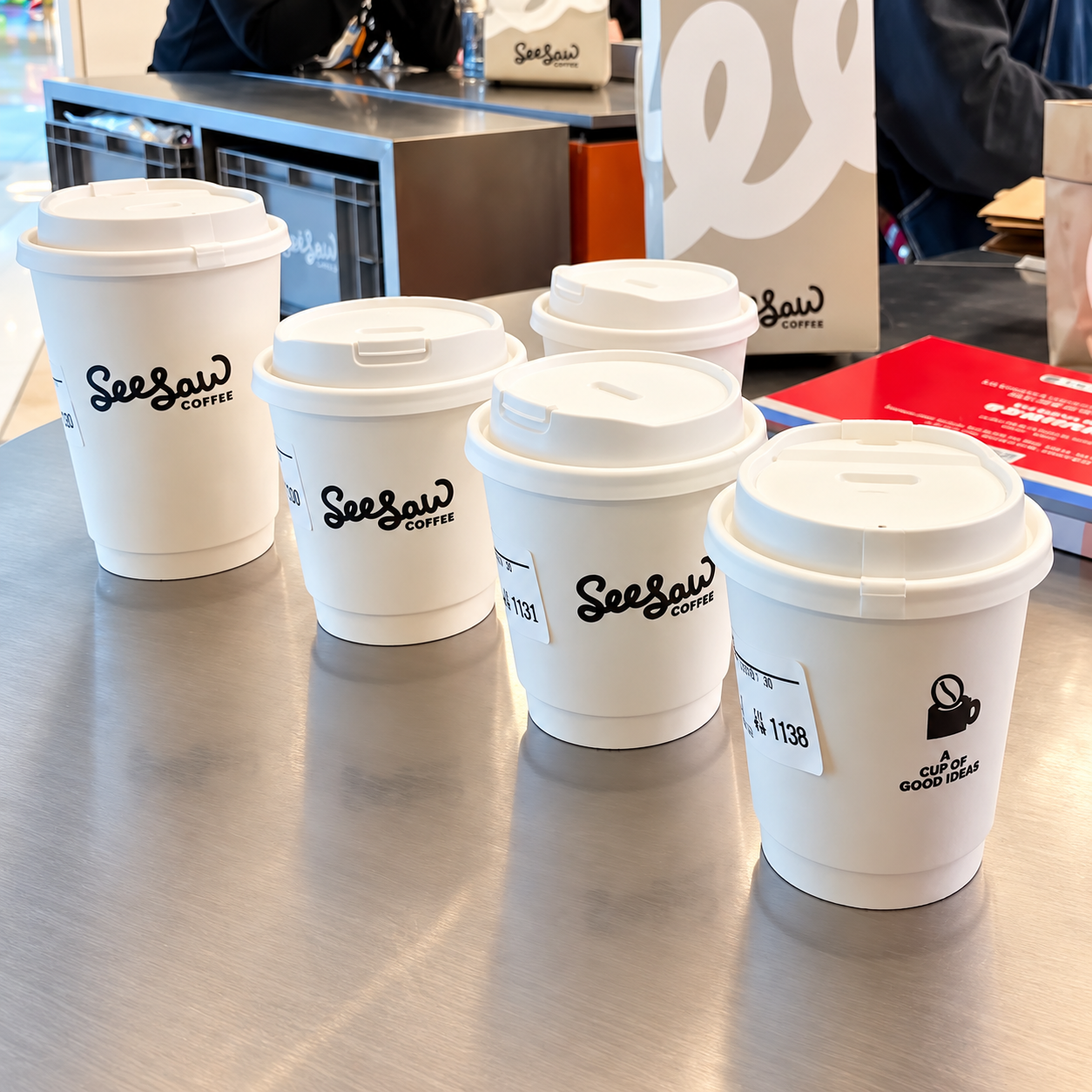
Product vs. material. This is the distinction both schemes are built around. A certified resin, film, or paperboard is not the same as a certified finished item. Inks, adhesives, laminates and coatings are part of what gets tested. Change any of them, and the finished product is a different configuration until it’s tested again.
Industrial vs. home composting. Both BPI and EN 13432 certify industrial composting performance: controlled facilities running at sustained high heat, roughly 58°C for the European standard. Neither certification, on its own, proves your cup will compost in a home compost bin. Home-compostable claims require a separate certification scheme.
Mark and license. Holding a passed test result isn’t the same as holding the right to use the certification mark. The company selling the finished product needs its own license or sublicense to display the BPI or EN 13432 mark. You can’t put someone else’s certification mark on your own packaging without that license.
What the certificate actually proves — and what it leaves open
A passed BPI or EN 13432 result proves your exact tested configuration breaks down under the specific industrial composting conditions the test defines. It doesn’t prove your cup will compost anywhere your customer might dispose of it.
Neither certification confirms that industrial composting facilities are actually available where you sell the product. A cup can be genuinely, correctly certified and still have nowhere for your customer to compost it, if their region has no accessible facility. That’s a facility-access question, separate from the certification question, and conflating the two is a common source of misleading marketing claims.
Neither certification says anything about what happens in a landfill, incinerator, or the ocean. Under those disposal conditions, a certified-compostable material generally behaves very differently than it does in the controlled facility conditions it was tested under.
Certificate anatomy: what to check before you rely on one
| What to check | Why it matters |
|---|---|
| Exact product description on the certificate | Confirms whether it covers your specific SKU, not a related but different item |
| Maximum thickness/grammage listed | The tested thickness sets the certified upper limit; a heavier version of the same material may fall outside scope |
| Whether printing/inks are included in scope | An unprinted certified material doesn’t cover your printed version unless ink was part of the tested configuration |
| License or sublicense holder named | Confirms who is actually authorized to use the mark, and whether that authorization covers your business |
| Composting condition: industrial vs. home | Confirms which disposal pathway the certificate actually supports |
| Certificate date and renewal status | Certifications can lapse or be modified; confirm the certificate is still current |
What to actually request from your supplier
Ask for certification proof matching your exact printed cup SKU, not the base material alone. If your supplier’s certificate covers unprinted stock, ask specifically whether a modification review was completed for your printed configuration, and ask to see that documentation, not just the original base certificate.
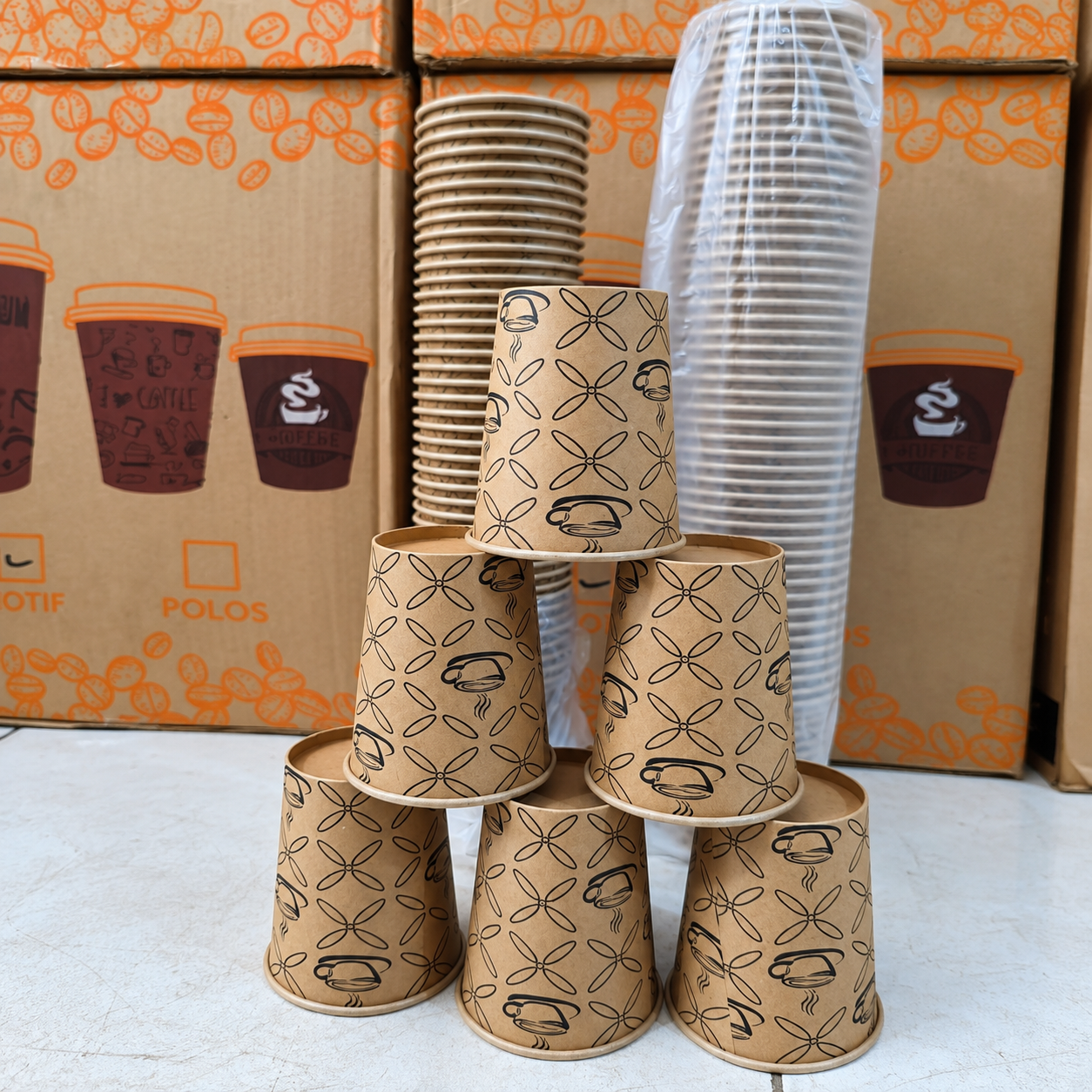
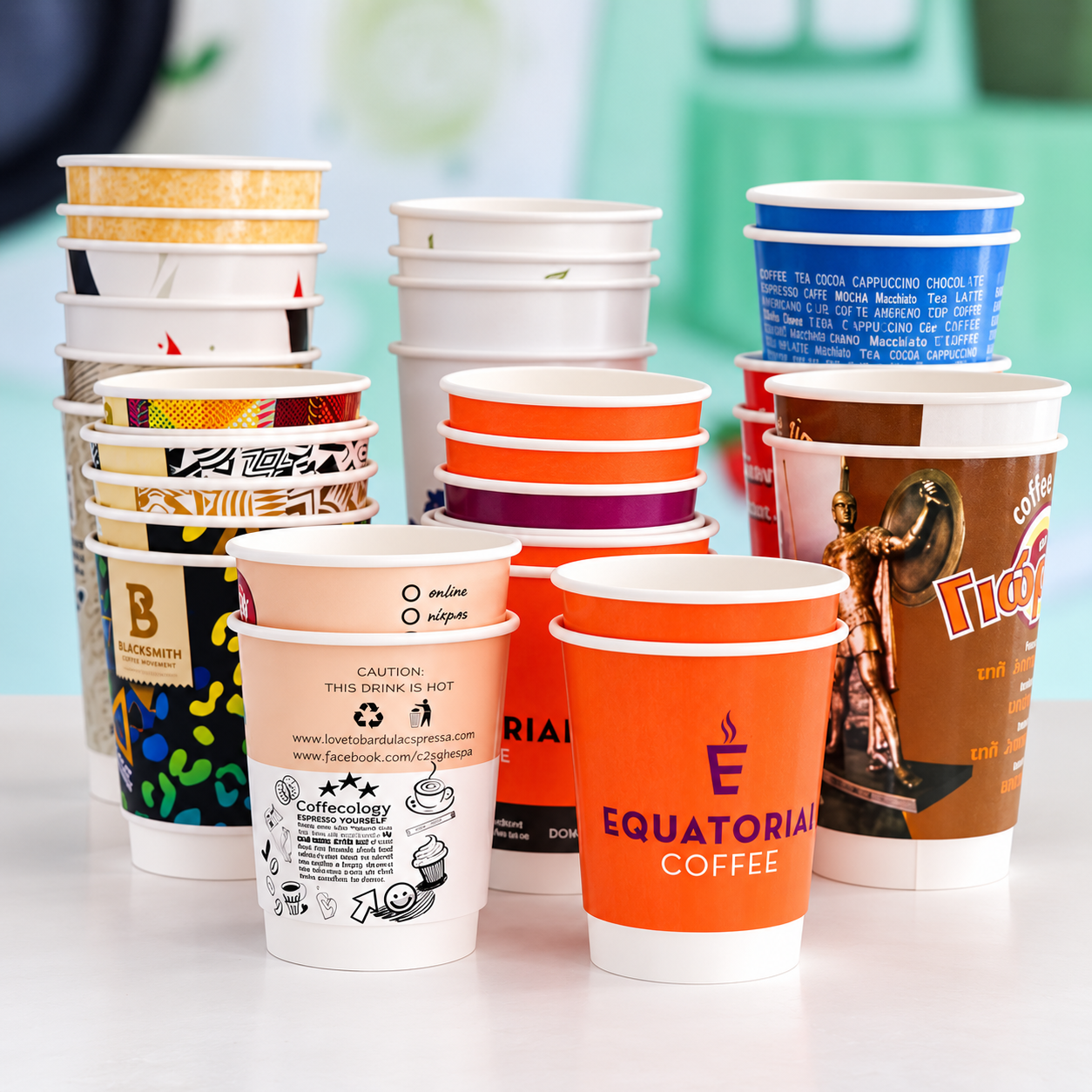

If you plan to add your own printing, coating, or labeling to an already-certified material, confirm with your supplier and, where relevant, the certifying body whether that change requires a new review before you can keep using the certification claim.
We can talk through what certification status applies to your specific cup construction, and what it would take to pursue certification for a new configuration if you need one. Reach us through our Contact Us page to start that conversation.
Where this guidance doesn’t generalize
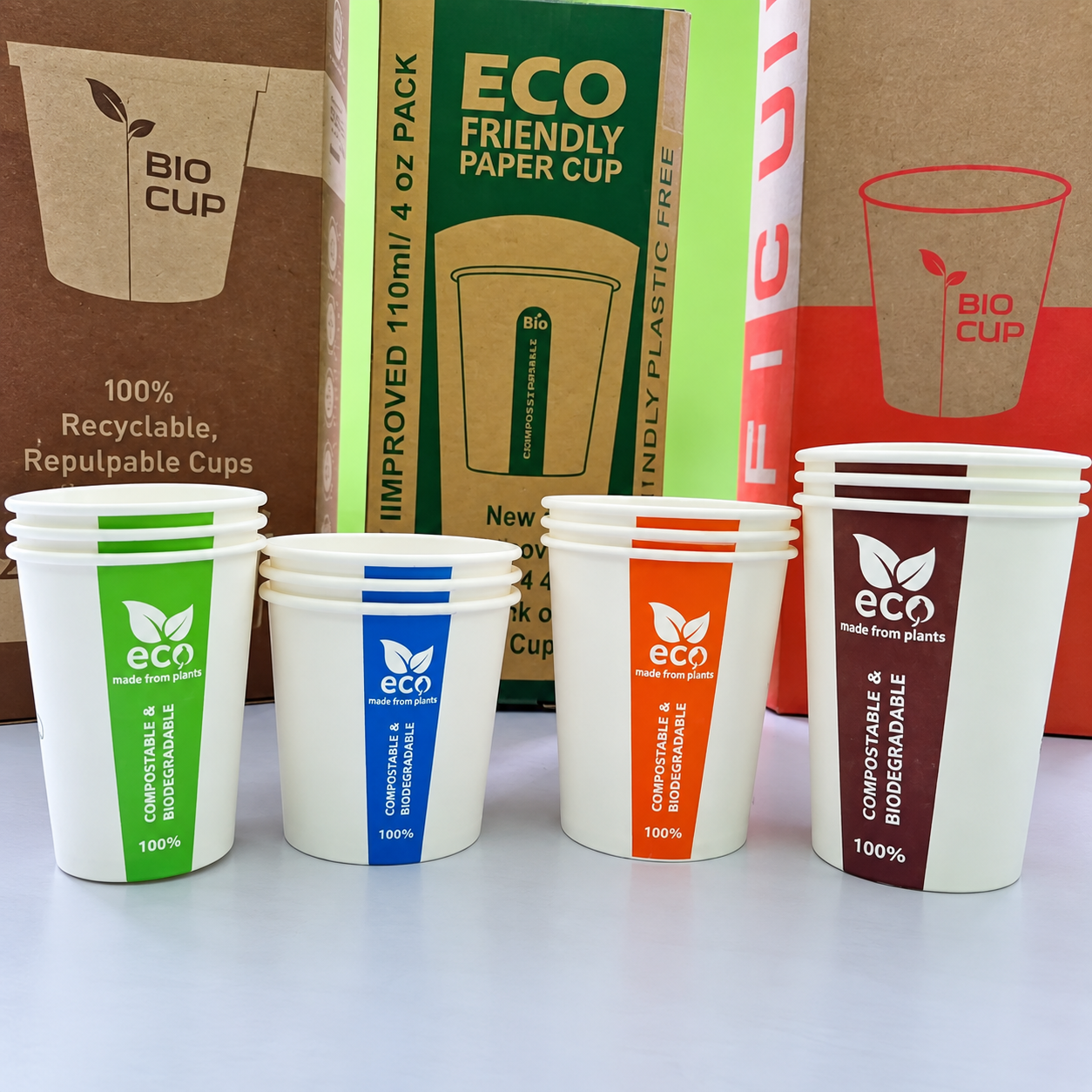
This article explains how BPI and EN 13432 certification generally work. It isn’t legal or certification advice, and it doesn’t replace direct confirmation from the certifying body, BPI or the relevant EN 13432 certification scheme, for your specific product and configuration.
Certification requirements, fees, and modification review processes can change, and specific figures like modification fees are set by the certifying body directly rather than fixed permanently.
Confirm current requirements with BPI or your EN 13432 certifier before relying on any specific process detail.
FAQ
If my supplier’s resin is BPI certified, is my finished cup automatically certified?
No. The certification covers the exact tested configuration. Once you add printing, a coating, or any modification, that configuration needs its own review before you can rely on the original certificate.
Does BPI or EN 13432 certification mean composting facilities exist where I sell my product?
No. Both certifications test breakdown performance under controlled industrial conditions. Neither one confirms that an industrial composting facility is actually accessible in your customer’s area.
Can I put the BPI or EN 13432 mark on my packaging if my supplier is certified?
Not automatically. The company selling the finished product needs its own license or sublicense to use the mark, separate from whether the underlying material passed the test.
Are BPI and EN 13432 the same thing?
No. BPI is a US/Canada-focused certification based on ASTM D6400 with additional requirements. EN 13432 is a European standard with its own testing pillars. A product certified under one isn’t automatically certified under the other.
Does either certification cover home composting?
Not by itself. Both primarily address industrial composting conditions. A separate certification, such as a dedicated home-compostable scheme, is needed to support a home-composting claim.
Confirm certification status for your exact SKU
Tell us your exact cup construction, including any printing or coating you plan to add. We’ll tell you honestly what certification status applies, what a modification review would involve, and what evidence you’d need before making any compostability claim.