
Quality Control
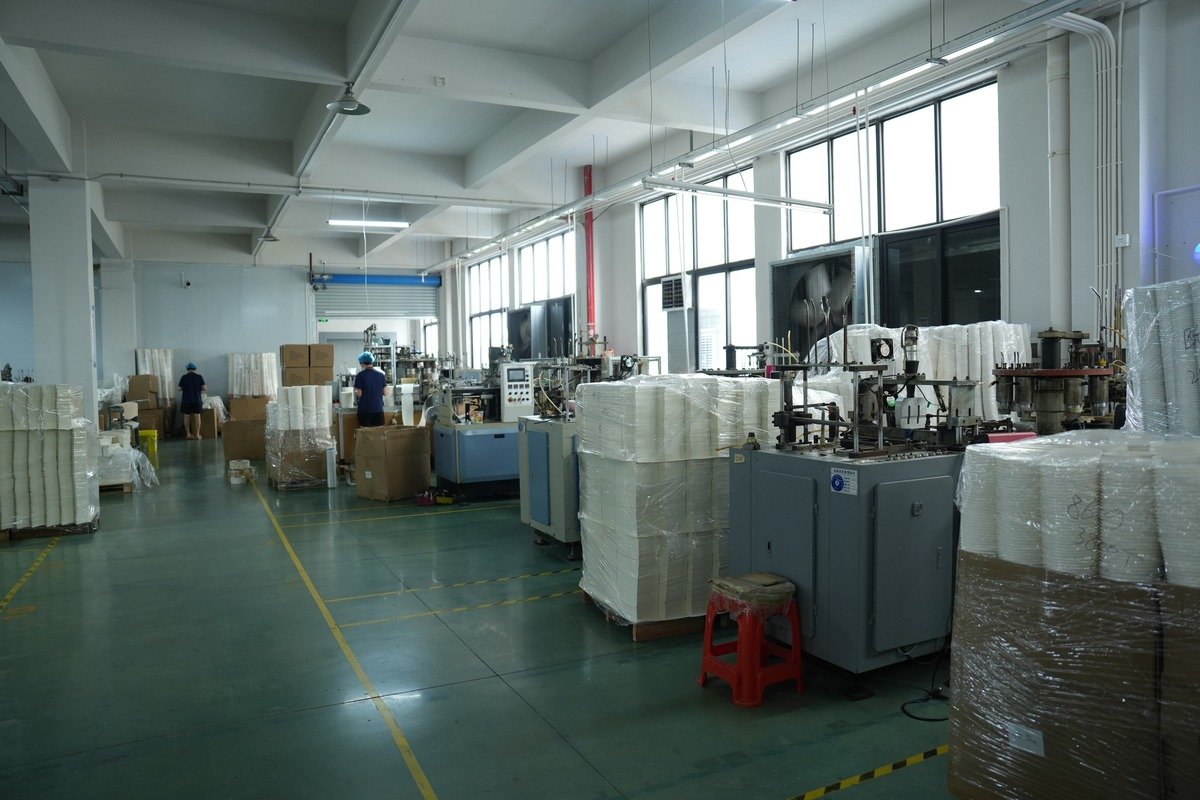
XINNENG’s quality‑control process applies quantified sampling standards across raw‑paper, printing, forming, leak‑testing and packaging workflows. Scheduled on‑shop‑floor sampling, in‑house lab analysis and annual third‑party testing control batch tolerances, cosmetic defects and food‑safety metrics to ensure consistent quality for high‑volume export orders.
In-House Lab
Full testing equipment on site
FDA & EU 10/2011
Food-contact reports for export
Multi-Stage QC
Raw material to finished box
Plastic-Free
Patented cups, in mass production
Since 2015
10+ years of paper packaging
Raw Material & Cup Physical Control
We hold base-paper gram weight within ±5 g/m² for the same cup model and keep coating thickness fixed, so cups from one batch don’t feel noticeably softer or stiffer than another. Reinforced cups are pressure-tested — the side wall must take ≥12 N before buckling, which cuts the chance of a hot cup going soft or a cold cup going soggy.
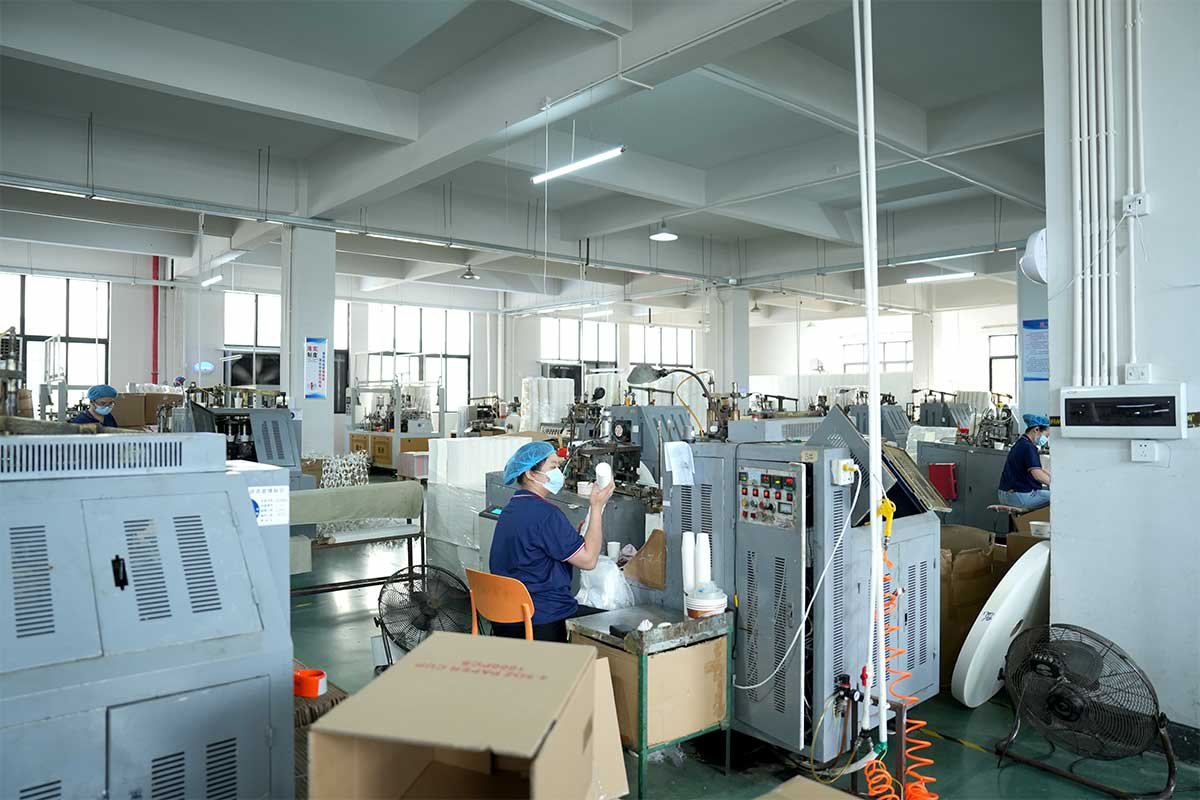
We sample 10 cups from the line every 2 hours to measure actual gram weight and wall thickness, and log the readings. If anything drifts, the line stops and the parameters are corrected before we run on.
Printing & Appearance Control
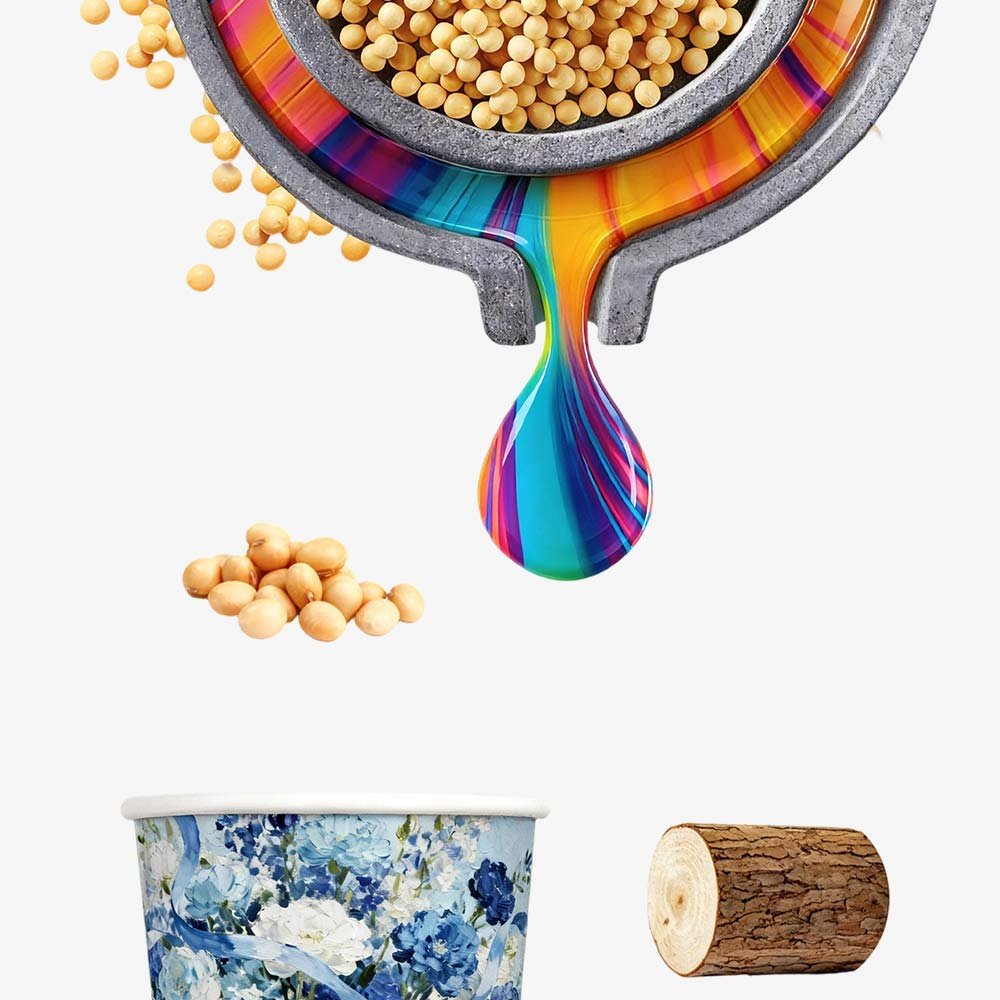
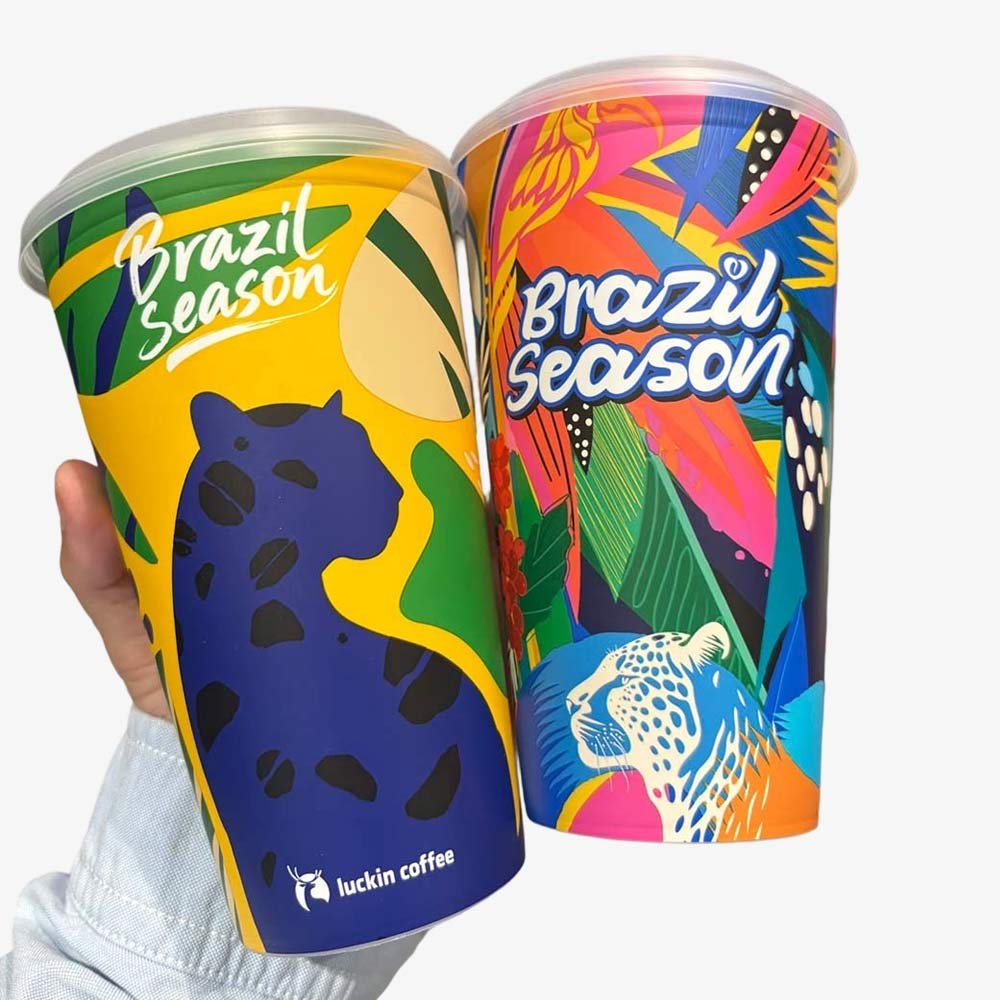
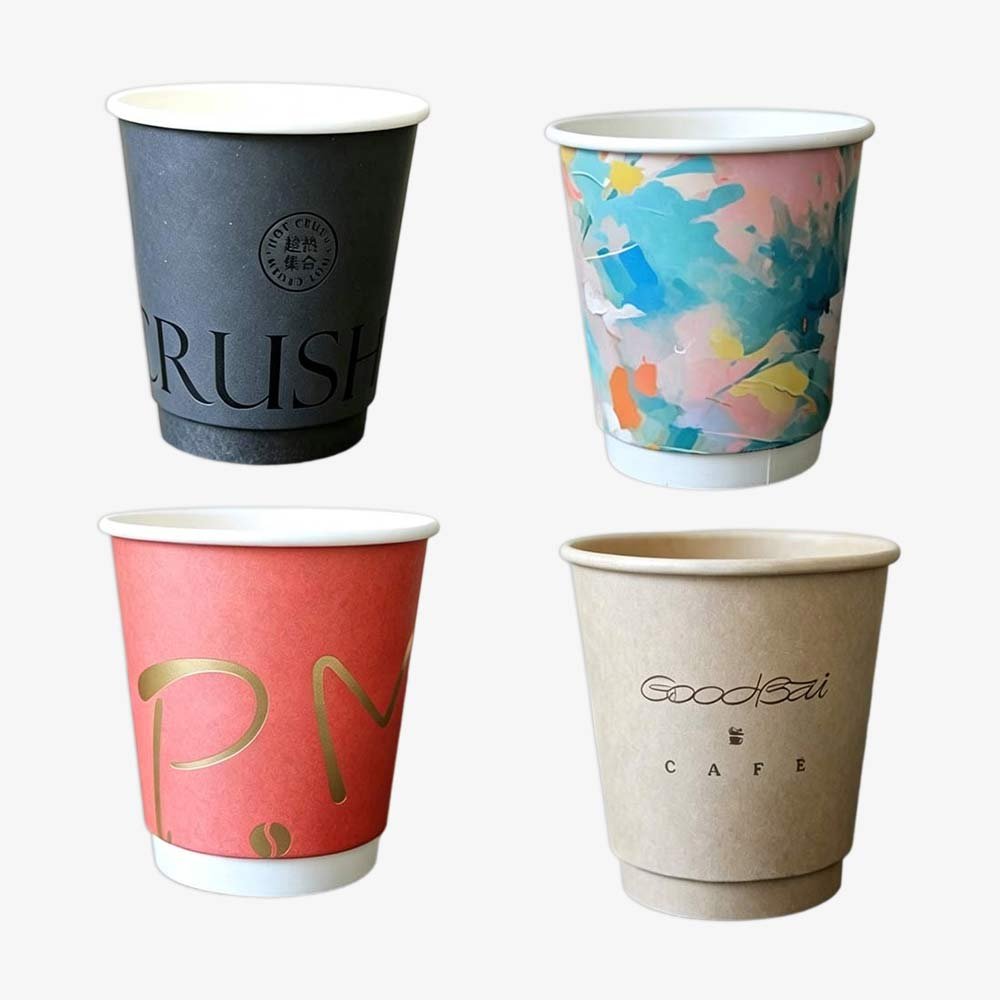
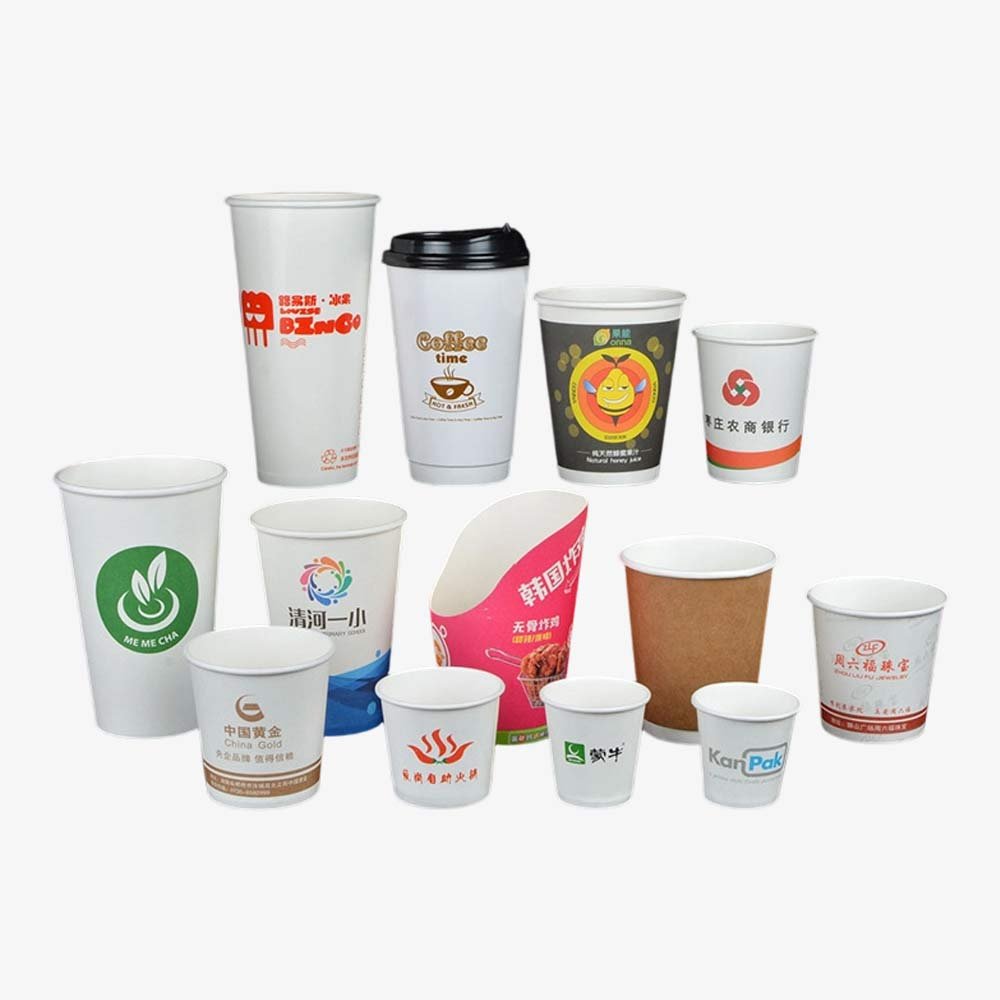
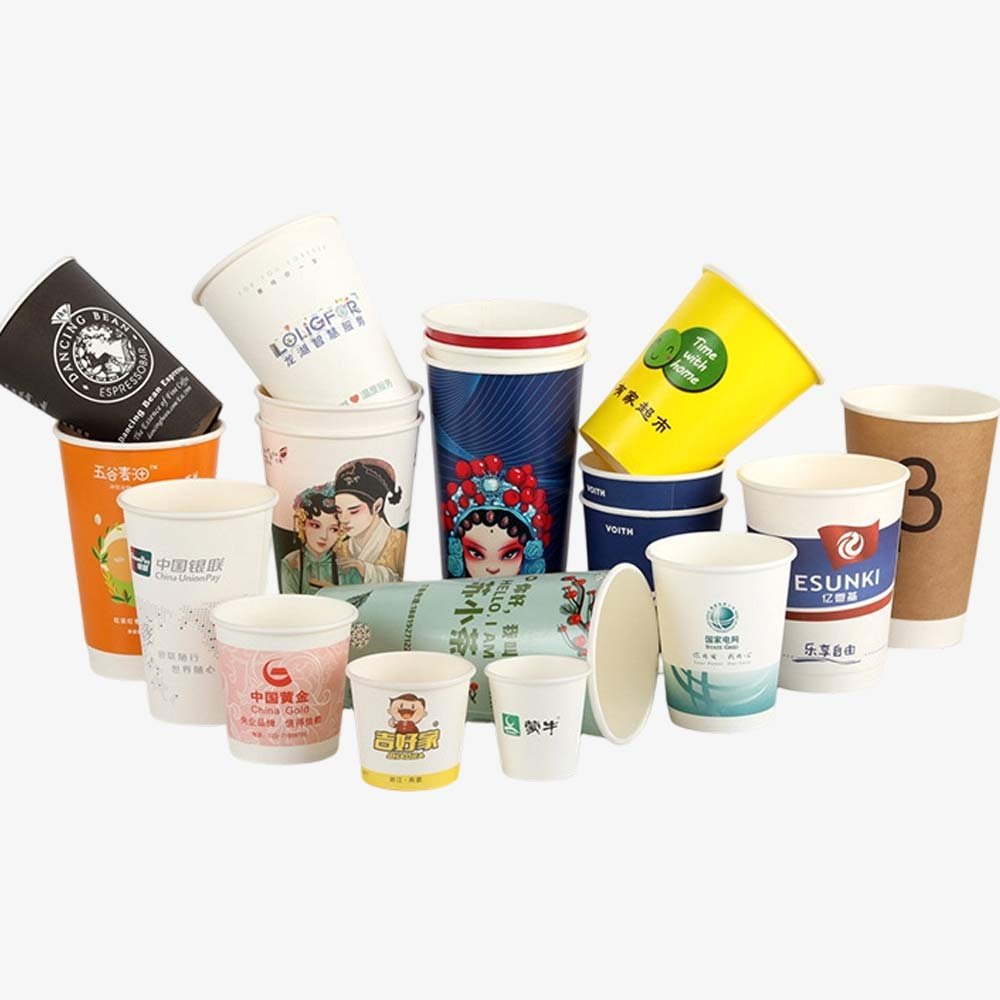
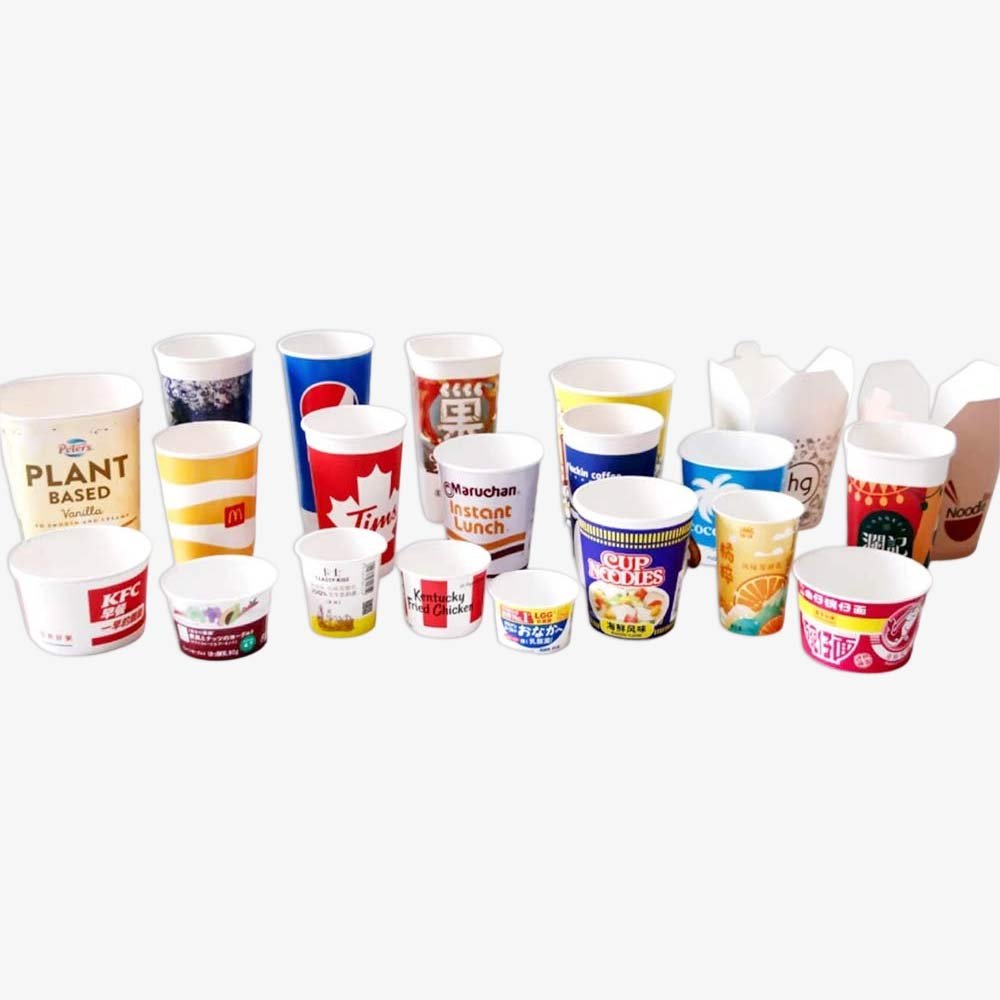
Flexographic printing with soybean eco ink — color is close to your file, but we do not promise a 100% screen match. We print with flexography and soybean eco ink in gang-run mode, so the printed color will differ somewhat from what you see on screen. If your color is critical, we run a dedicated plate and send you a physical sample to confirm before bulk production. Print position tolerance is held within ±1.5 mm. We pull 20 finished cups every 3 hours to check for missing print, ink spots and uneven coverage.
Forming Process Control
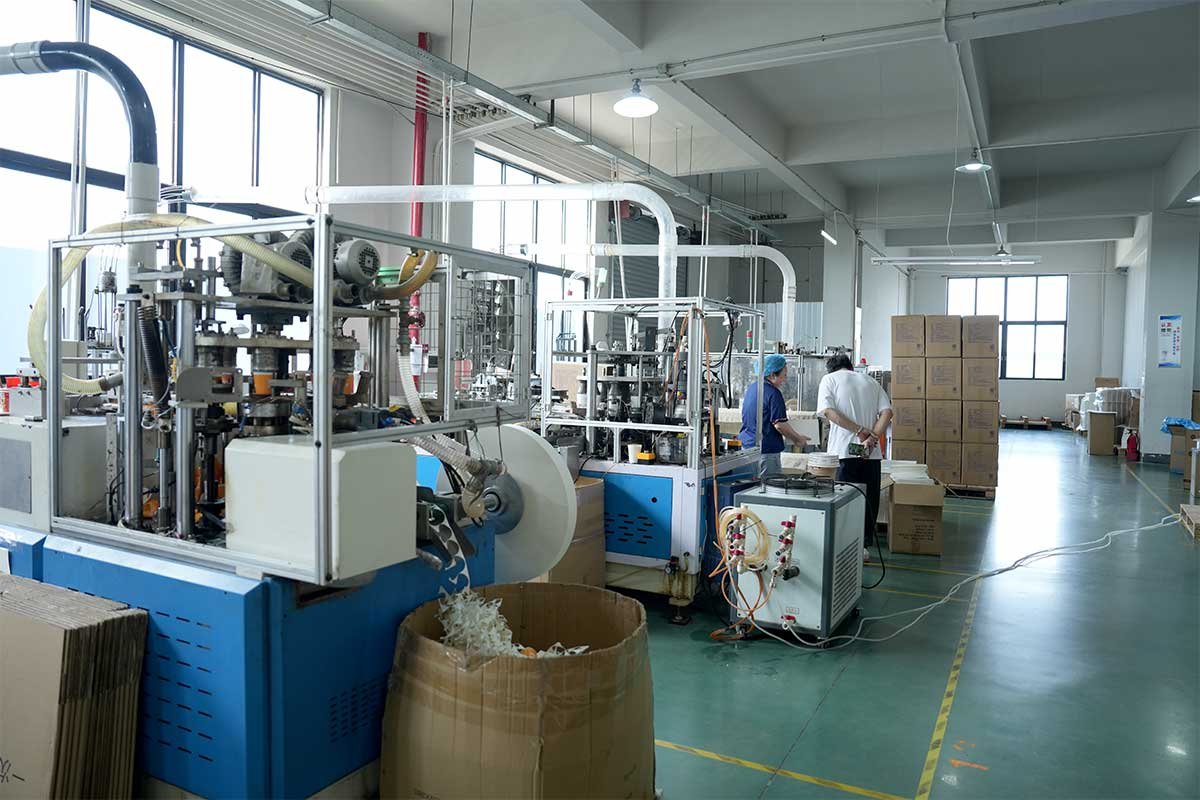
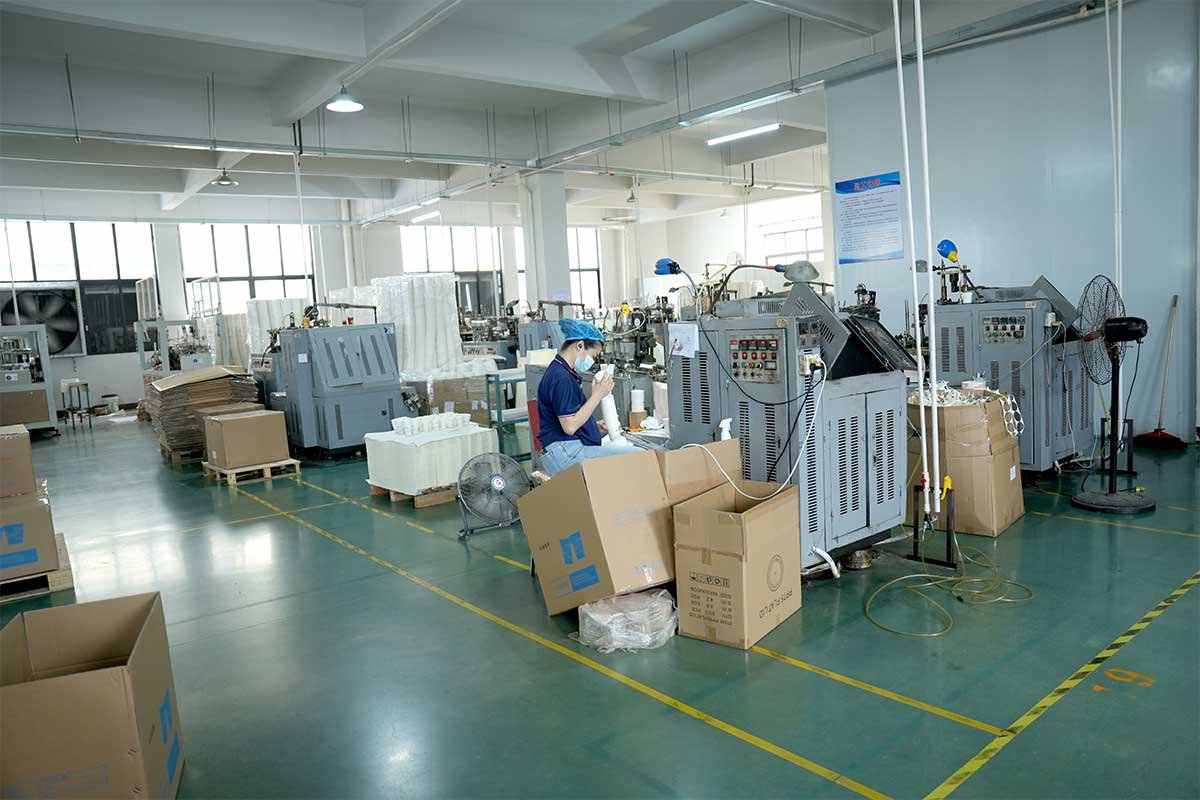
Curling and sealing are where a cup lives or leaks. We lock the forming temperature, pressure and mold position — operators can’t change them by hand. Every hour we fill 30 cups with 85°C water, hold 60 seconds and check the base and seams for seepage. Cups with a cracked rim, open base or skew are rejected right at the forming station.
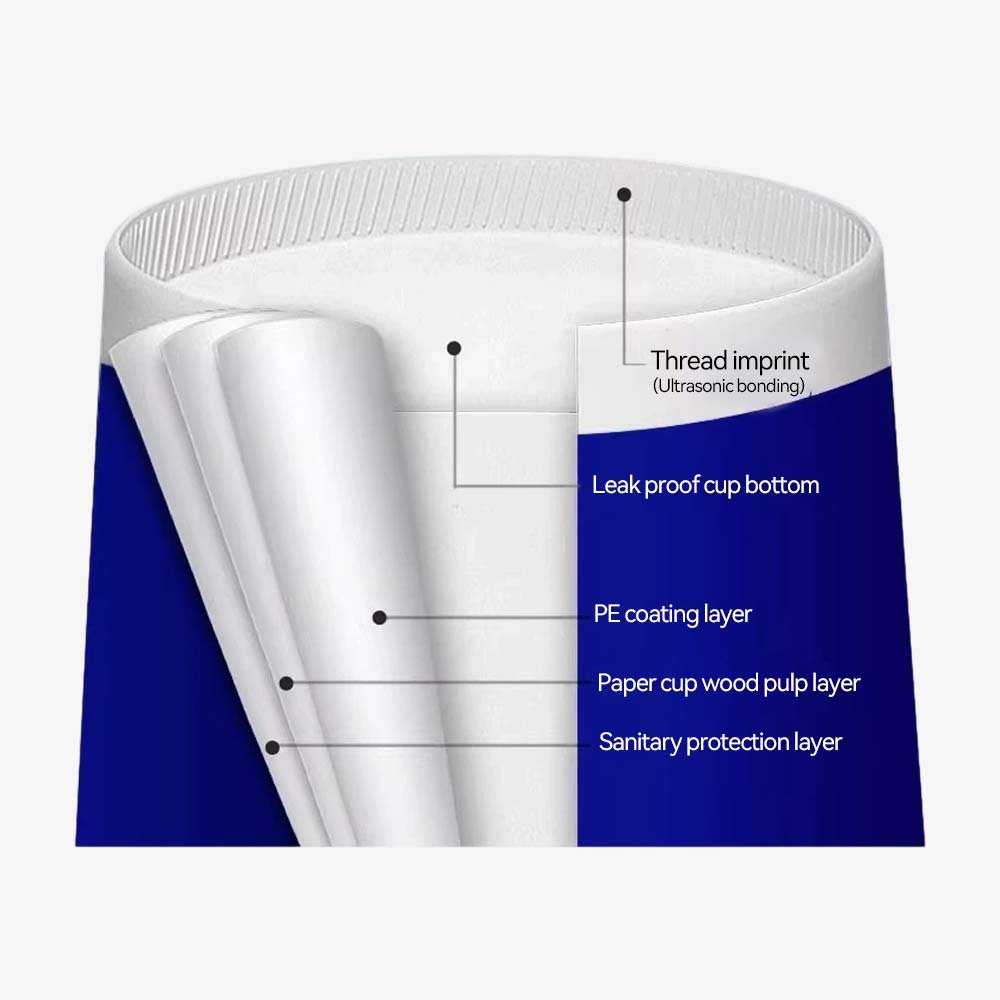
Structure Diagram
This cross-section diagram shows the multi-layer structure including wood pulp, PE coating and leak-proof bottom with ultrasonic bonding to prevent liquid seepage.
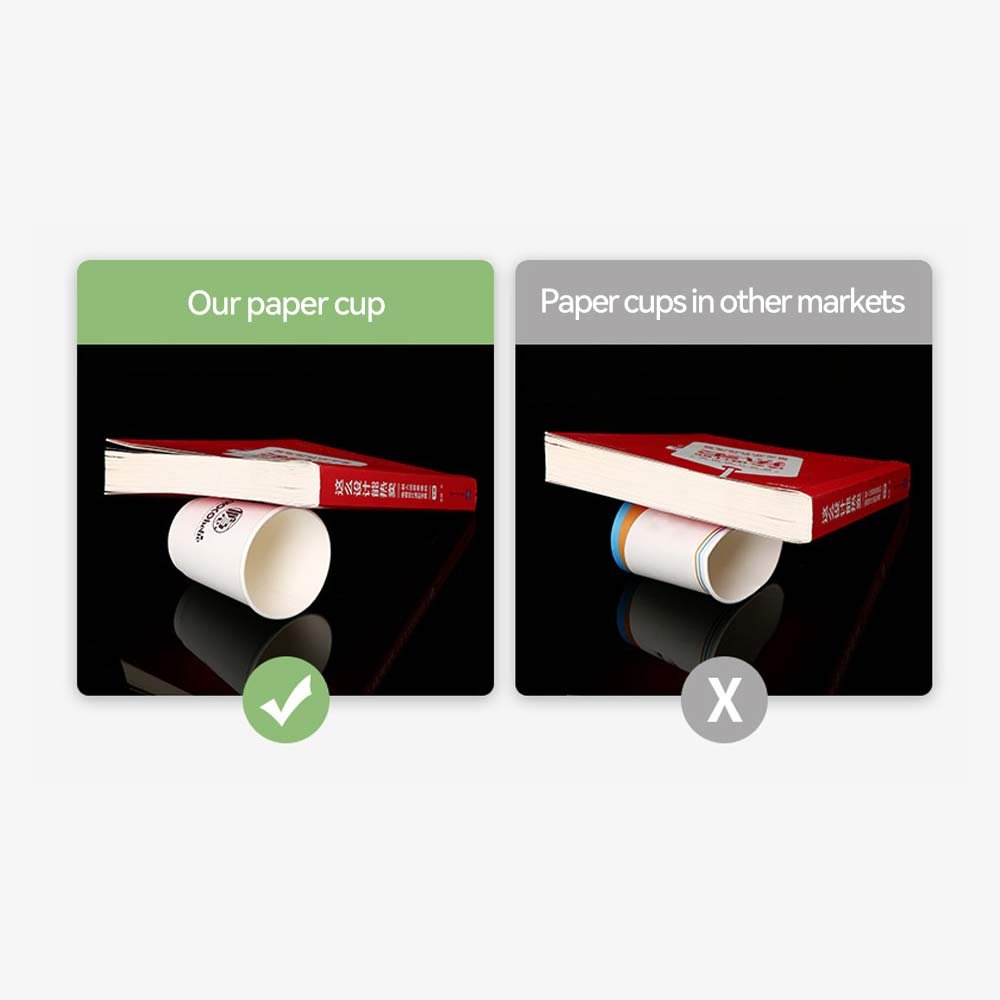
Stiffness Test
We perform load bearing tests to compare cup stiffness; our paper cups maintain shape under pressure while inferior competitors deform easily.
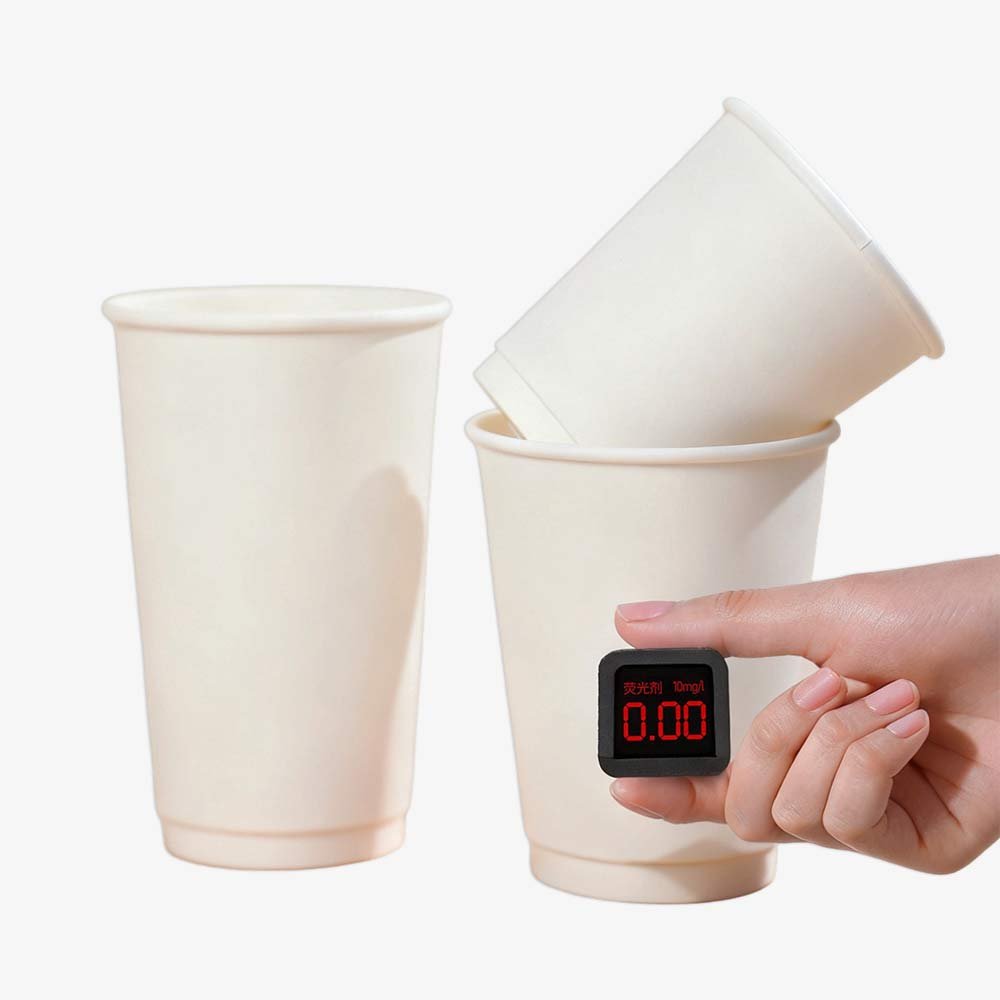
Fluorescent Test
We test raw paper with a fluorescent detector to ensure zero fluorescent agent content, making our paper cups safe for food contact.
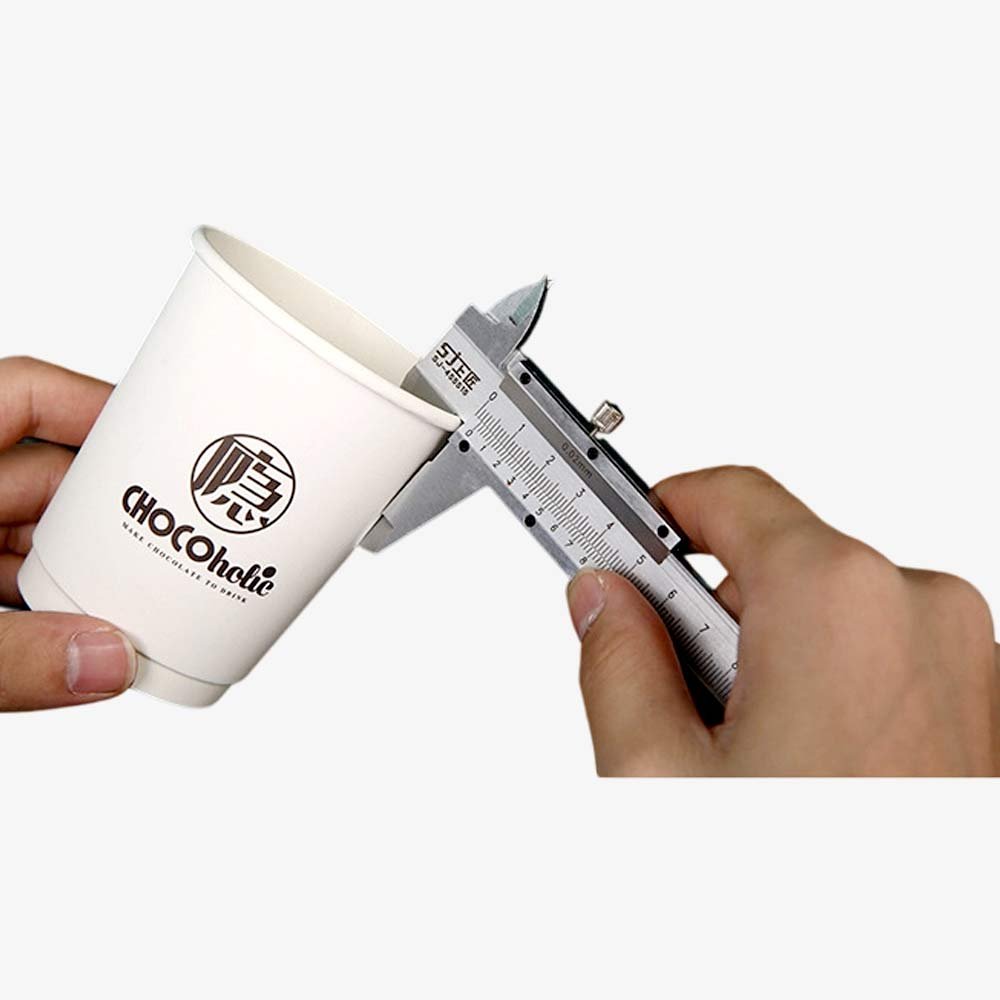
Thickness Control
We use calipers to measure paper cup wall thickness strictly, keeping thickness variation within a controlled range to guarantee stable cup stiffness for bulk export orders.
Hygiene & Food-Safety Testing
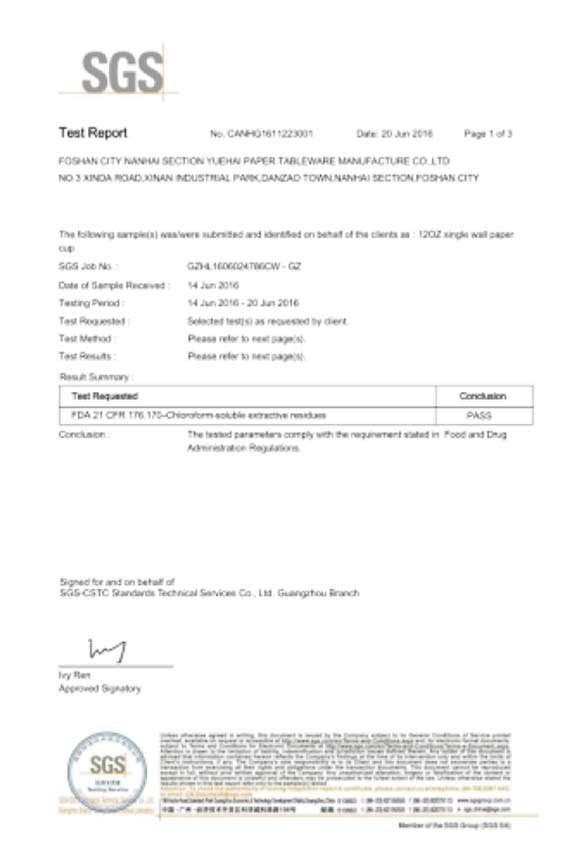
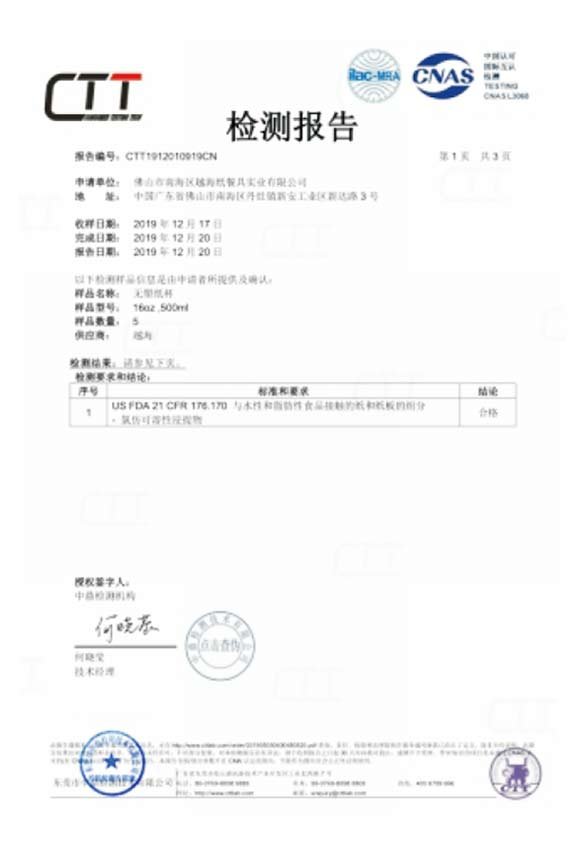
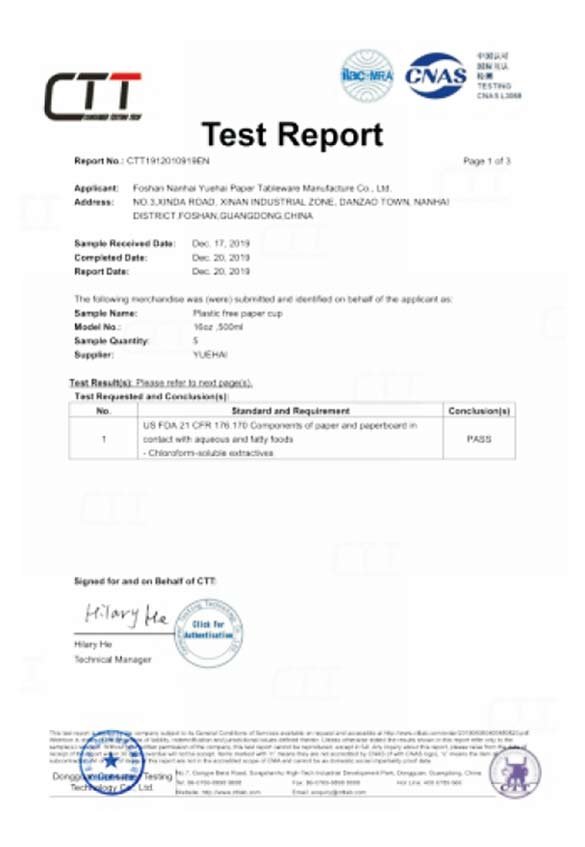
We use food-grade white card paper and soybean eco ink, and we can provide FDA and EU 10/2011 food-contact test reports for export. Our own laboratory pulls 15 samples from every batch for odor and sensory checks, so finished cups never smell of ink or pulp. Every year we commission a third-party lab for the full food-contact safety test. Production and packing areas are dust-controlled to keep foreign objects out.
Food-Grade Base
White card paper + soy eco ink, no recycled mix.
FDA & EU 10/2011
Food-contact reports supplied for export.
In-House Lab
15 samples/batch for odor & sensory check.
Annual 3rd-Party Test
Full food-safety test every year.
Batch Sensory Check
Every batch smelled & checked, never inky.
Dust-Controlled Workshop
Packing area sealed from foreign objects.
Export Packaging Inspection
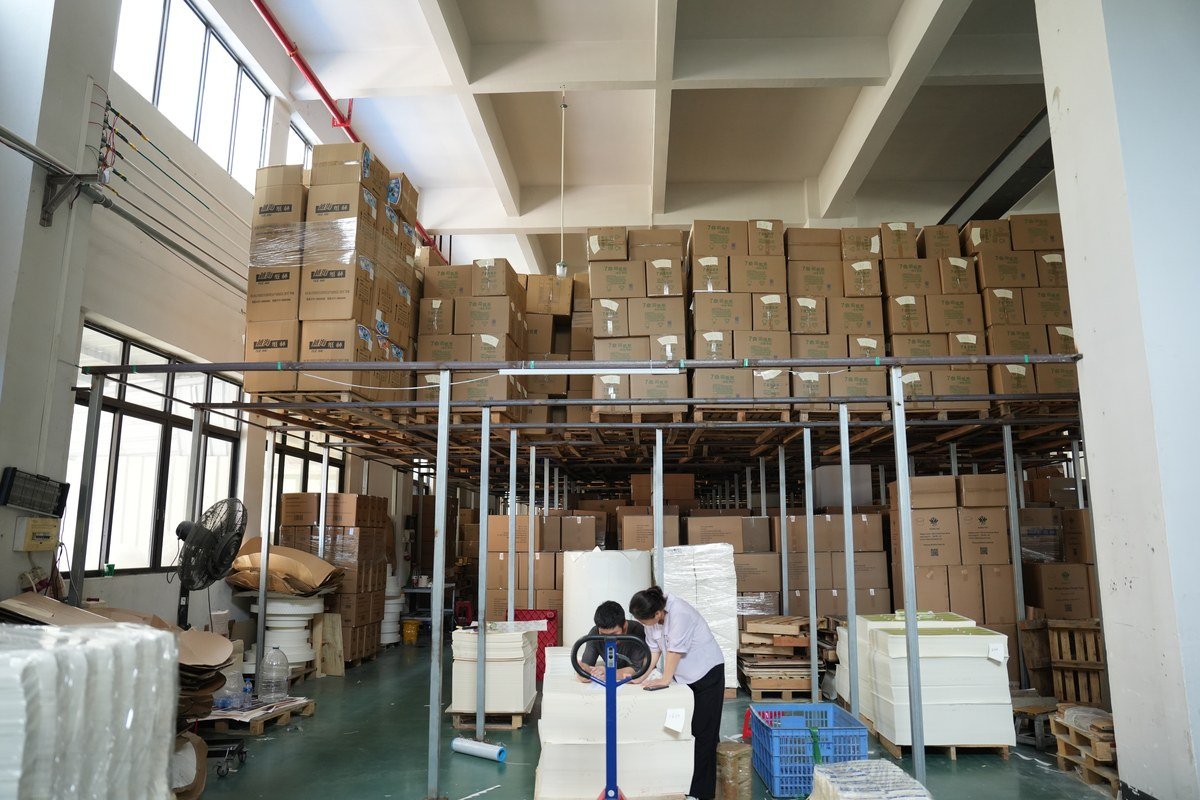
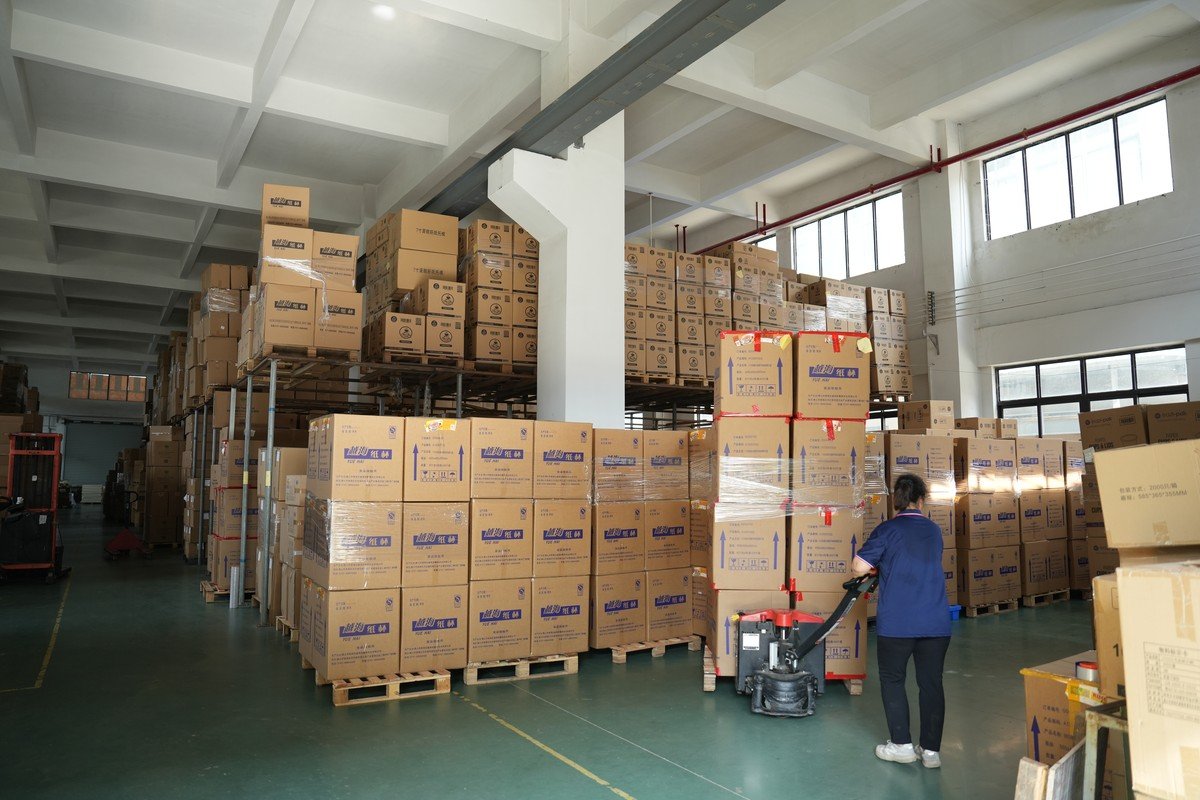
Before export we check count and carton strength for sea shipping. From every 5 cartons we open 1 at random and recount; a single-pack count error within ±2% is treated as normal production loss. We check the export carton for a sound seal and crush strength — any carton that is damaged or damp is scrapped. For custom orders a small quantity loss is normal: up to 50 pcs short are made up with blank cups, and any shortfall over 50 pcs is settled with you at unit price per our after-sales policy.
Certifications & Compliance
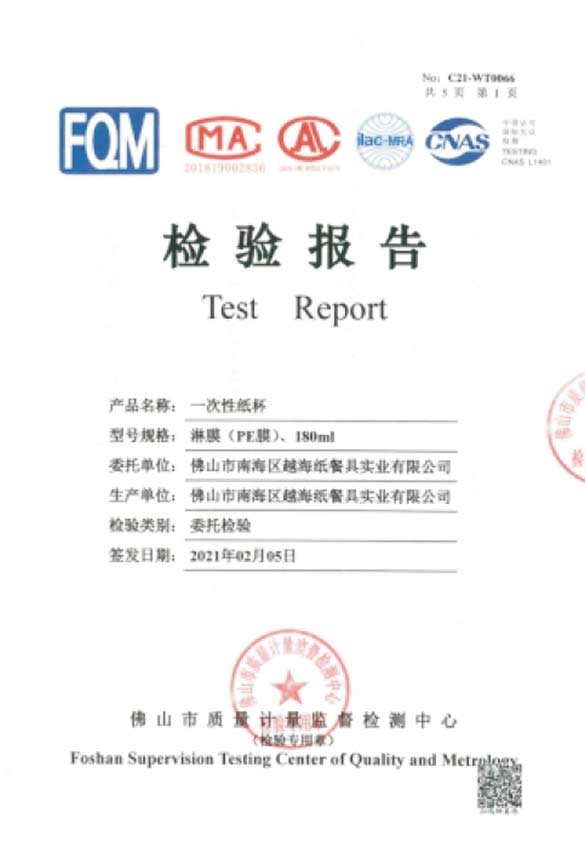
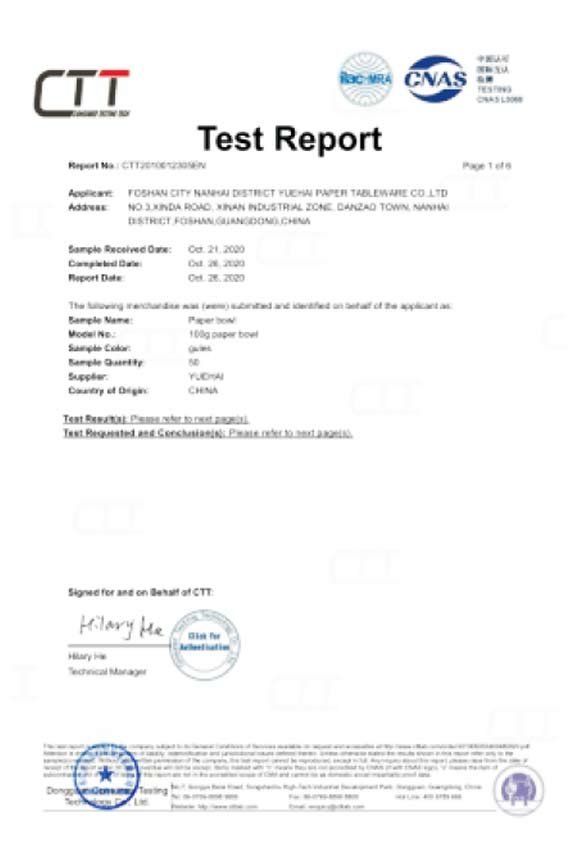
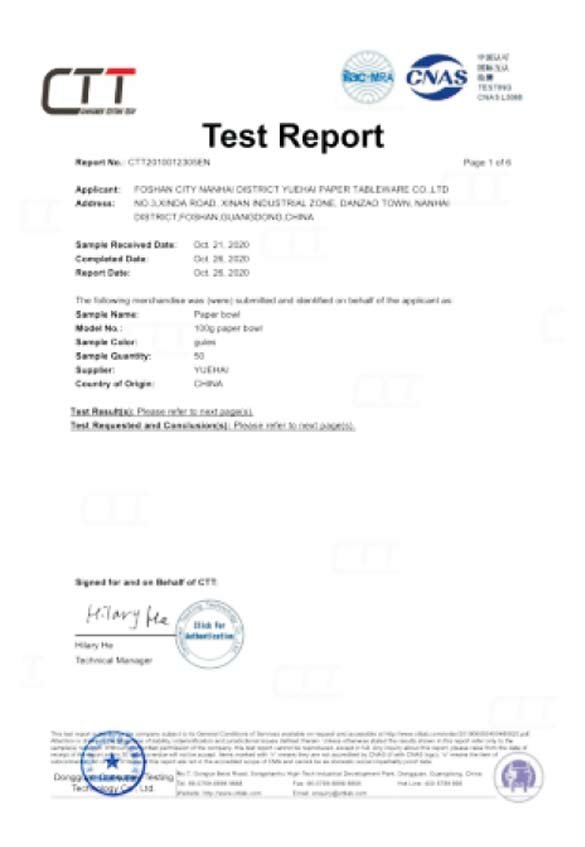
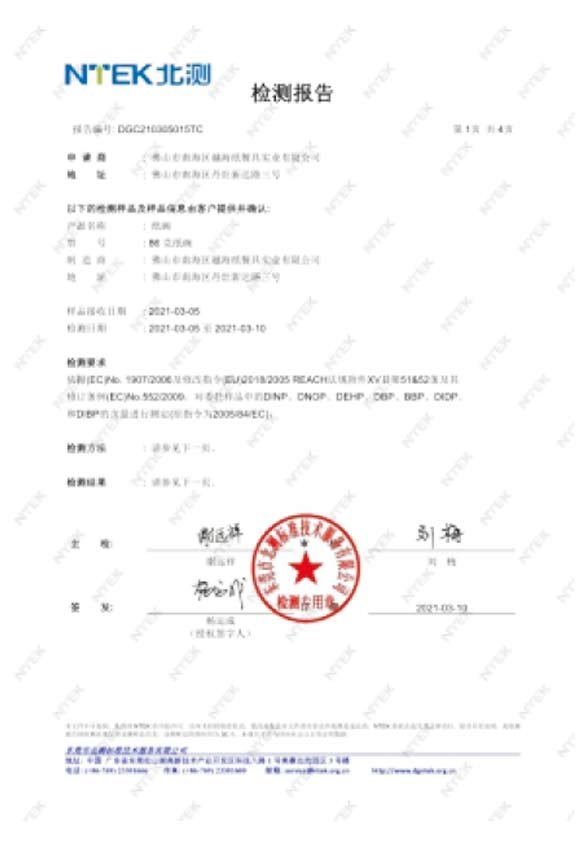
XINNENG holds a full set of international certifications for compostability, food contact safety, and manufacturing compliance. They back up our materials, production, and quality control—so our biodegradable tableware meets global standards and buyer expectations.
Ready to talk quality?
Send us your product, size and order quantity. We’ll share our QC plan, lead time and a sample so you can verify everything before you commit.
Quality FAQ
Everything you need to know before ordering. Still have questions? Contact us.
We take samples regularly in workshop. We use calipers to measure wall thickness. Paper weight tolerance is ±5 g/m². We also do pressure tests to stop cups from turning soft with hot drinks.
Every hour we test 30 cups. We fill them with 85°C hot water and wait 60 seconds. We check cup base and seams for leaks. Bad cups are thrown away right on the production line.
Every 3 hours we check 20 cups for print flaws. Print position error is kept within ±1.5 mm. For strict color needs, we make sample cups for your check before mass production.
Our in‑house lab checks smell for every batch. We use fluorescent detectors to test raw paper and finished cups. Every year we do third‑party tests to meet FDA and EU 10/2011 rules.
We open one carton for count check for every 5 cartons made. Our allowed quantity error is ≤±2%. We also test export carton strength for sea shipping.
Workers check cup rims on‑line for burrs, cracks and wrong shapes. Forming temperature, pressure and mold settings are locked and cannot be changed by workers.
Yes. We sample‑check finished goods for look, size, leakage and packing. For long‑term buyers, we can follow your special inspection rules.