You choose a paper cup coating by matching three things: your beverage’s temperature and hold time, your target market’s disposal infrastructure, and the claim you actually need to make. No single coating wins on every dimension, so a one-word “greenest” ranking won’t tell you what to buy. You need your own use case against the trade-offs below.
The problem you’re actually solving
You ask three suppliers for “the best coating,” and you get three different answers. Each one is optimizing for a different variable: cost, compostability claim, or converting simplicity. None of them is wrong exactly, just answering a narrower question than the one you asked.
PE, PLA and aqueous coatings solve overlapping but different problems. Picking one requires knowing your own beverage type, hold time, storage conditions, and target market’s actual disposal infrastructure. A coating that’s the right choice for a quick-service cold drink in one country can be the wrong choice for a long-hold hot drink somewhere else.
Definitions: what each coating actually is
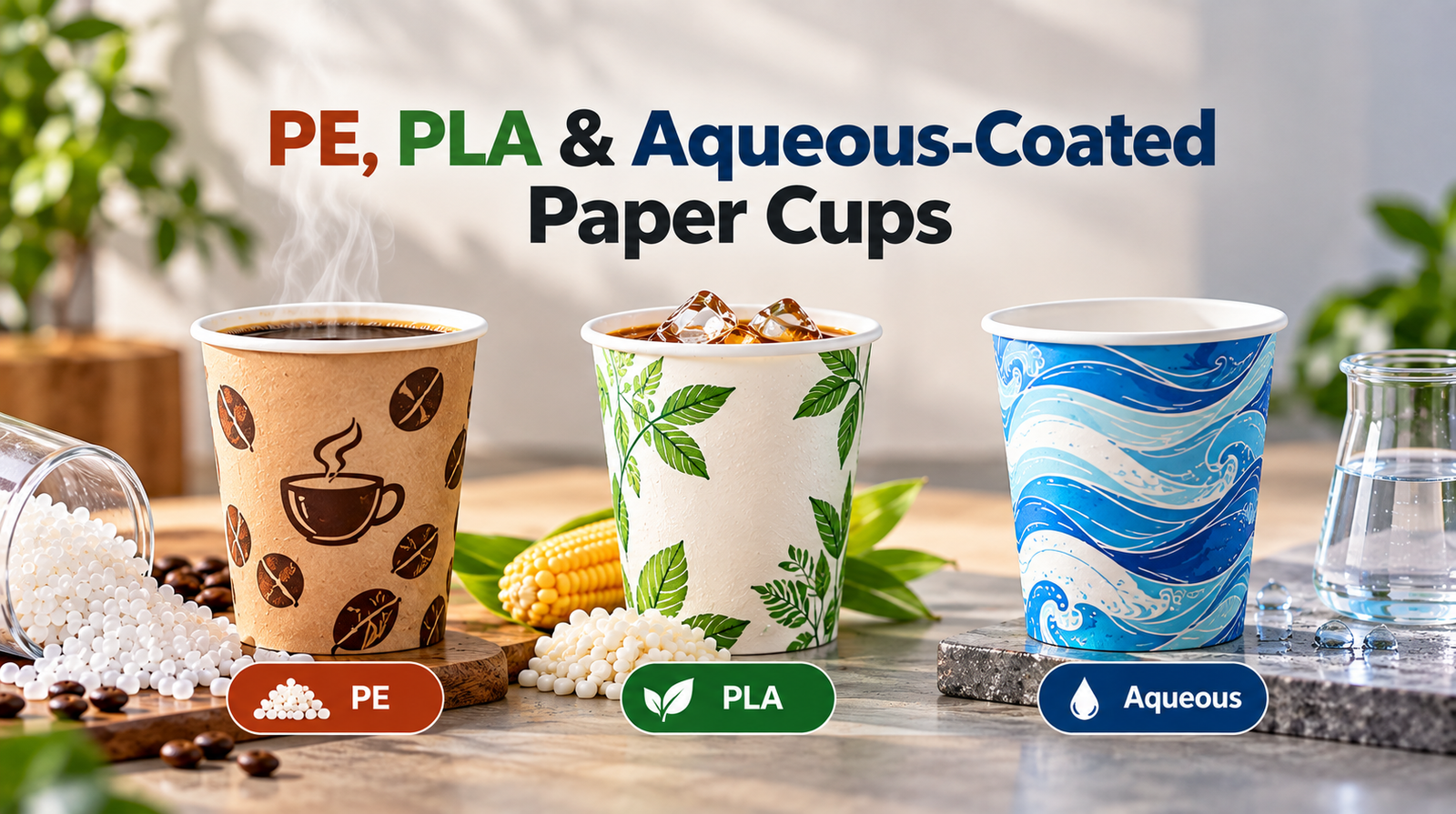
PE coating. A conventional plastic film coating, widely used for its reliable waterproofing and broad converting compatibility. It’s a stable, lower-cost option for both hot and cold use. Its main trade-off is disposal: standard PE-lined cups aren’t easily recycled or composted through ordinary consumer-facing systems, so end-of-life depends heavily on local mill or facility capability.
PLA coating. A plant-based bioplastic coating, generally positioned around compostability. PLA doesn’t degrade in an ordinary landfill or a home compost pile. It typically needs industrial composting conditions and a matching certification for the finished cup, not just the raw coating material, to support that claim. PLA sealing also tends to be more sensitive to temperature and dwell time on a converting line than PE, so converting speed and process control matter more here.
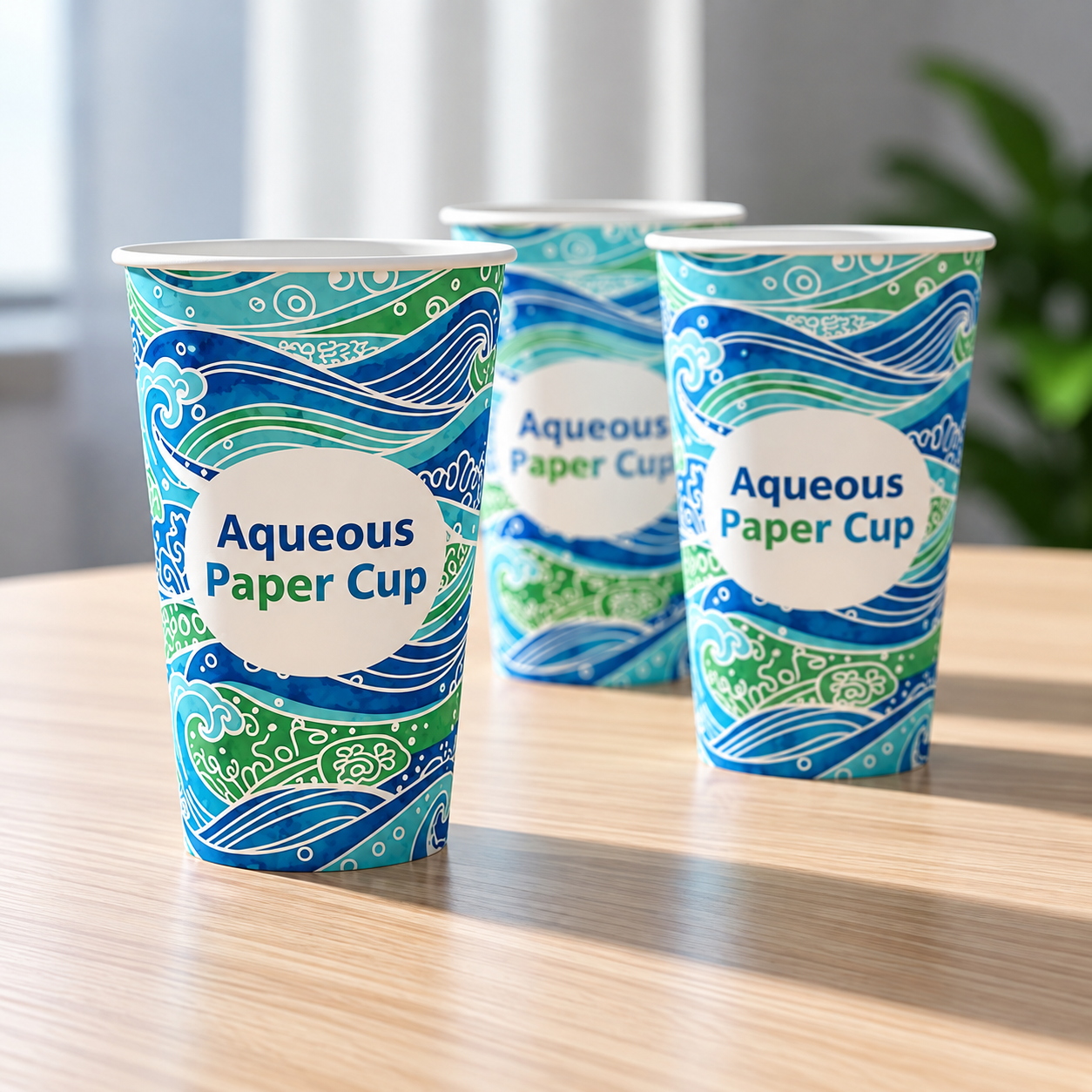
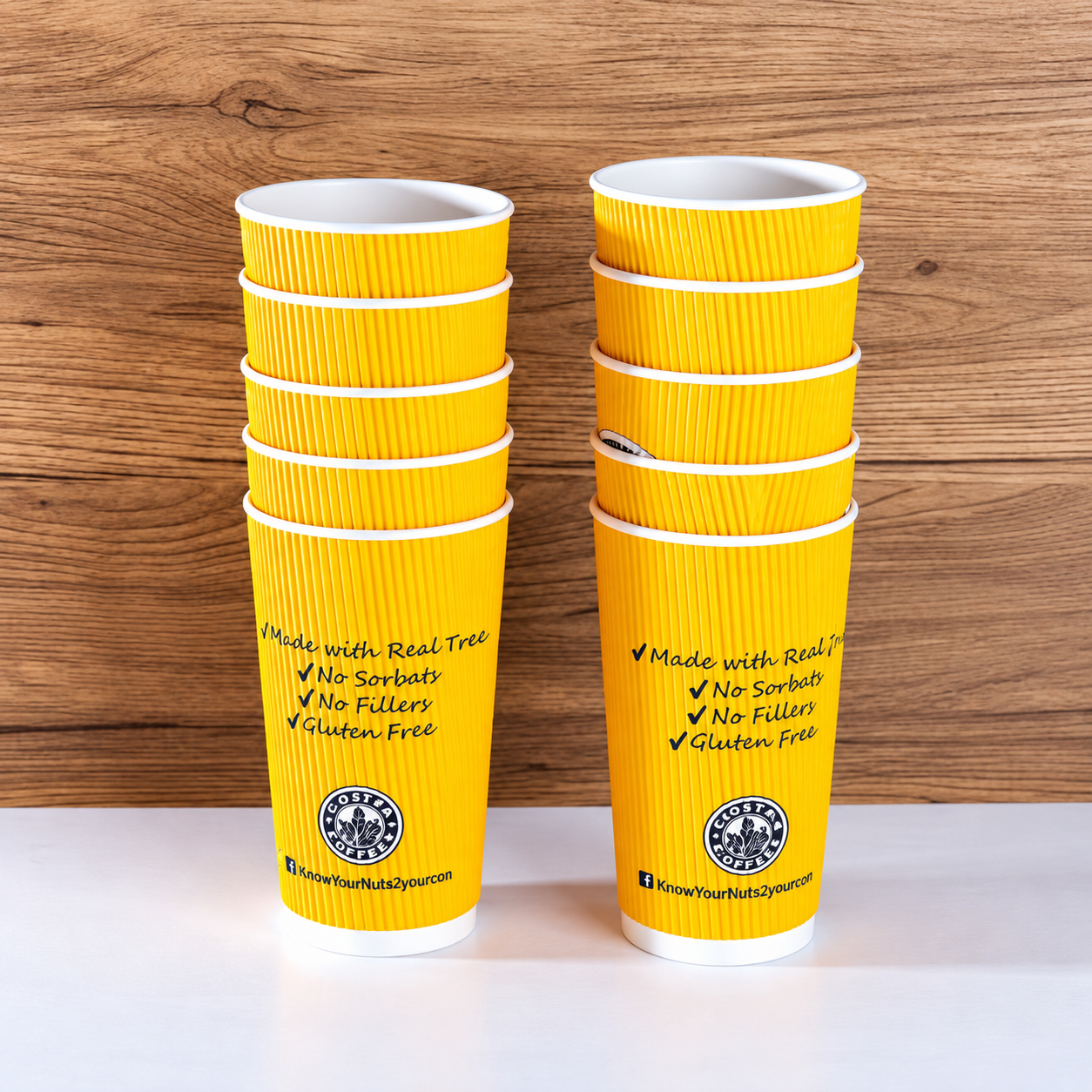
Aqueous / water-based coating. A barrier coating applied as a water-based formulation rather than a plastic film, often marketed around easier recyclability. Performance and recyclability vary significantly by formulation and supplier. This is not a single standardized material the way PE broadly is, so a specific formulation’s test data matters more than the general coating category.
The decision matrix
Use this to weigh your own use case, not to declare one coating universally “best.”
| Factor | PE | PLA | Aqueous / water-based |
|---|---|---|---|
| Hot beverage use | Reliable, established performance | Usable, but more sensitive to heat and dwell time during sealing | Depends on formulation; not all aqueous systems are heat-sealable |
| Cold / iced beverage use | Reliable; double-side coating helps resist softening and supports short-term chilling | Reliable for cold use | Depends on formulation and moisture exposure |
| Converting / sealing | Widest compatibility, established sealing windows | Requires tighter process control; may run slower | Varies by chemistry; some require adhesive or mechanical closure instead of heat seal |
| Storage / shelf life | Stable | Stable | May have a shorter shelf life than PE in some formulations |
| Disposal claim you can support | None, standard recycling/composting, without a specific facility match | Compostable claim needs industrial facility access plus finished-cup certification, not just the coating | Recyclability claim needs formulation-specific fiber-recovery test data |
| Typical cost position | Generally the lowest-cost option | Generally higher than PE | Varies by formulation; often positioned between PE and PLA |
| Best-fit scenario | High-volume, cost-sensitive orders without a specific compostability requirement | Markets with real industrial composting access and a confirmed certification path | Markets prioritizing recyclability, where you can confirm formulation-specific recovery data |
Where forming and heat behavior actually diverge
A cup that seals cleanly as a flat sheet in a lab test can still fail at the score line once it’s formed, since cracking or delamination at the fold can compromise barrier performance in the finished cup even when flat-sheet results looked fine. This is exactly why coating selection needs to be tested on your actual cup construction, not judged from a generic material data sheet.
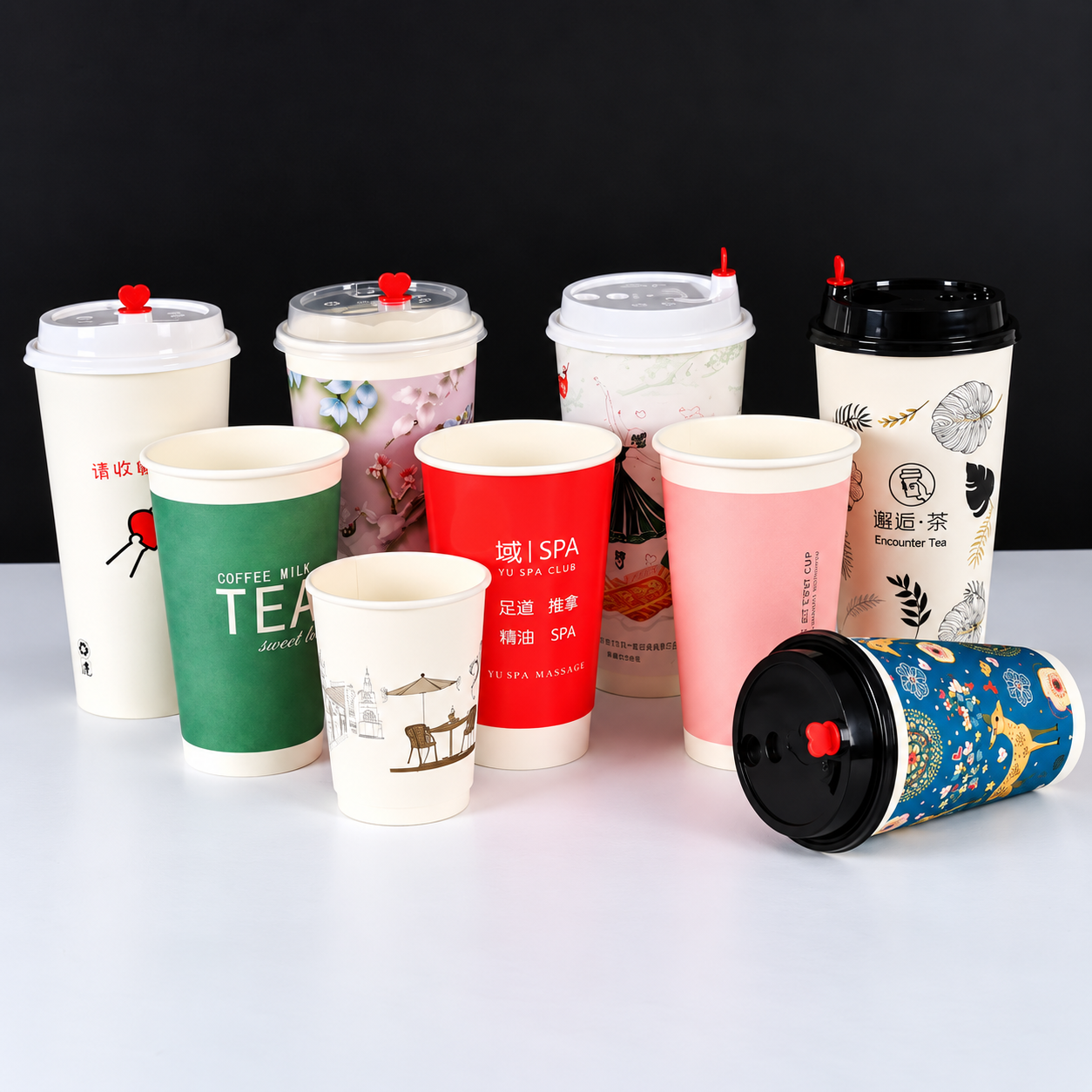
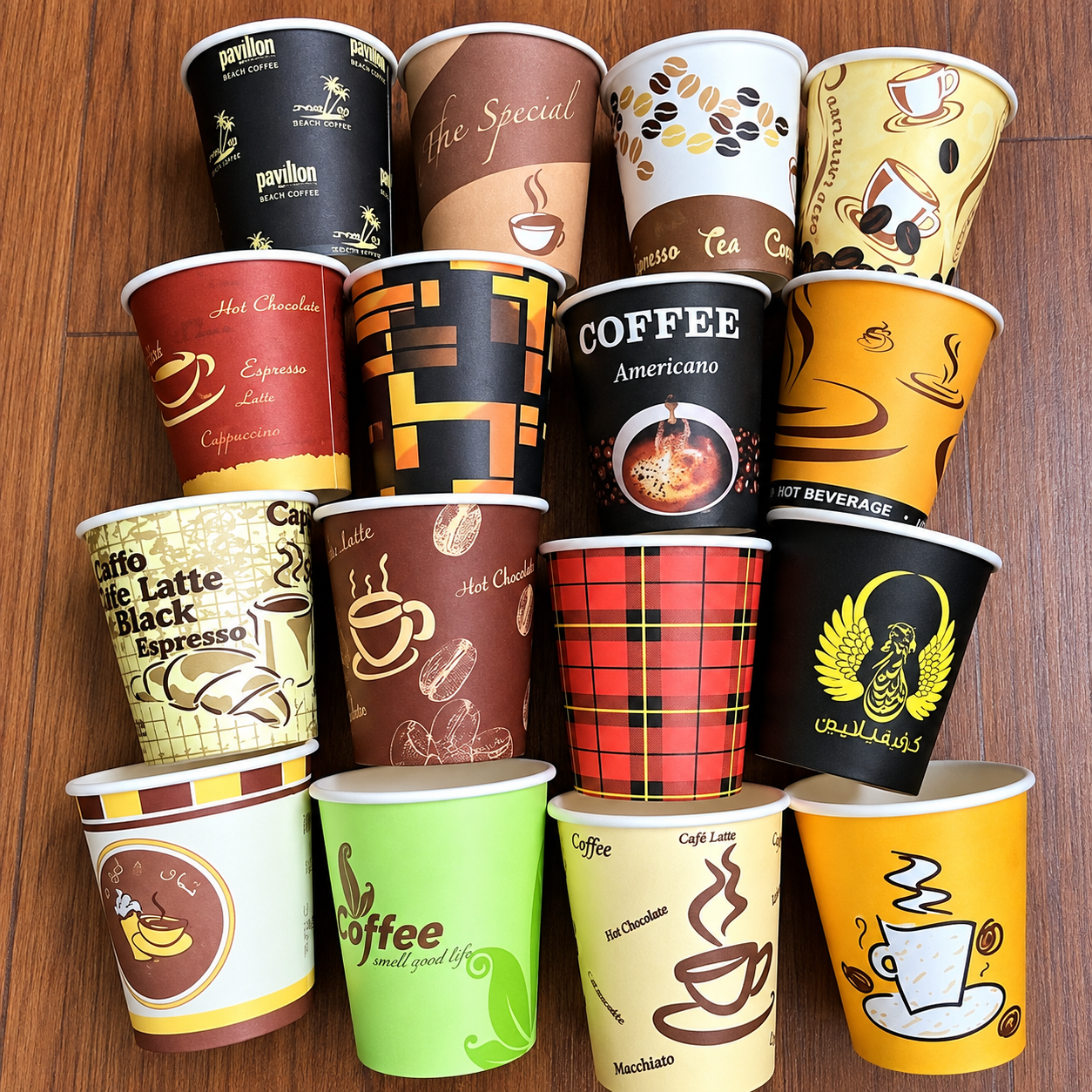
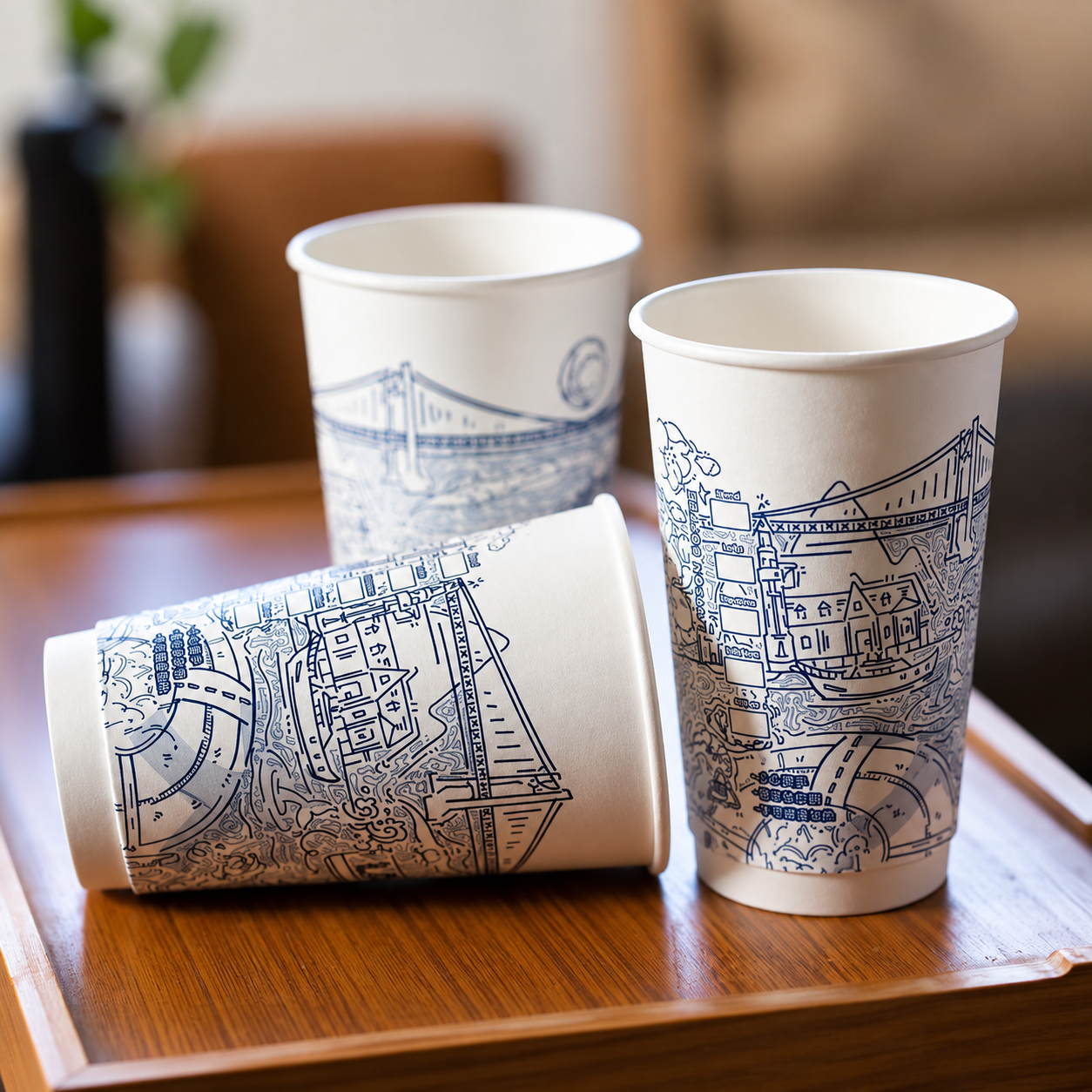
Heat and moisture behavior also depends on more than the coating alone. A cup can soften from heat and moisture entering the paper fibers, and that outcome relates to coating, bottom seal, paper structure, drink temperature and how long the drink sits, not GSM by itself. For cold drinks, a double-side coating generally resists softening better than a single-side coating, and that same double-side approach is what allows some cold-drink cups to tolerate short-term chilling.
What to send us before we recommend a coating
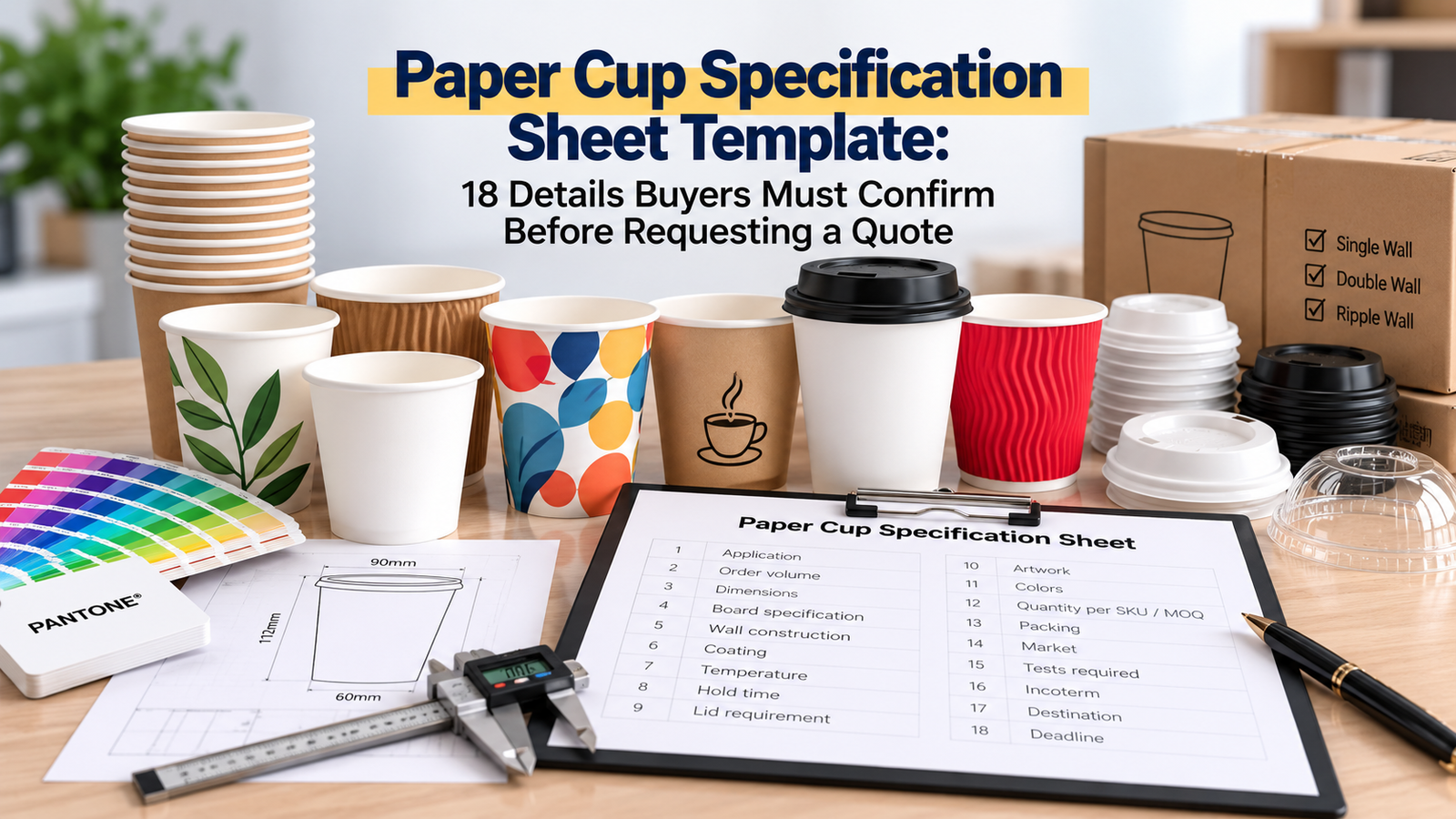
We can only match you to the right coating if we know your actual use case, not a general preference for “eco-friendly.” Send us your beverage type and typical serving temperature, expected hold time, target market, realistic disposal infrastructure, any specific claim you intend to print on the cup, and expected order volume.
Those details let us recommend a coating matched to your actual requirements rather than a general ranking.
Reach us through our Contact Us page with those details, and we’ll recommend a coating matched to your actual requirements rather than a general ranking.
Where this guidance doesn’t generalize
This article gives a general comparison to help you evaluate trade-offs. It isn’t a substitute for testing your exact cup construction under your own use conditions, and it doesn’t replace the certification and disposal-claim guidance covered in our compostable/biodegradable/recyclable claims article.
Coating performance varies by supplier formulation, even within the same coating category. A specific PLA or aqueous coating’s real-world performance should be confirmed with test data for that exact formulation, not assumed from the general category.
FAQ
Is PLA always the more environmentally responsible choice?
Not automatically. PLA’s compostability claim only holds where industrial composting facilities are genuinely accessible and the finished cup carries matching certification. Without that infrastructure, a PLA cup often ends up in the same landfill pathway as a PE cup.
Can I use PE coating and still make a recyclability claim?
Only if your specific market has recycling facilities that can actually process PE-lined cups, and you can support that with facility-access data — not as a general, unqualified claim. See our claims article for the specific evidence threshold this requires.
Does aqueous coating always cost more than PE?
Not necessarily. It varies by formulation, and pricing sits differently depending on the supplier and specification. Confirm actual cost against your target performance rather than assuming a fixed cost hierarchy.
Which coating is best for a hot, long-hold beverage like drip coffee?
PE has the most established track record for hot, longer-hold service. PLA can work but needs tighter process and sealing control. Confirm your specific hold time and temperature with us before deciding.
Do I need different coatings for hot and cold versions of the same cup line?
Not necessarily, but it depends on your construction. Some coatings and wall constructions perform well across both; others are optimized for one temperature range. Share your full beverage lineup with us and we’ll flag where one coating won’t cover everything.
Tell us your use case, get a matched recommendation
Share your beverage type, hold time, target market and any disposal claim you want to make. We’ll recommend a coating based on your actual requirements, not a generic “greenest” label.