The EU’s Packaging and Packaging Waste Regulation, Regulation (EU) 2025/40, has applied since August 12, 2026. It sets hard PFAS and heavy metal limits for food-contact packaging, including paper cups. This article walks through what the regulation actually requires, the specific thresholds your cups must meet, the evidence you should request from any supplier before your next EU-bound order, and the parts of the regulation that are still unsettled.
Why this became urgent on August 12, 2026

You may have heard about PPWR as a future requirement for a while. That changed this year. The regulation stopped being a compliance deadline to plan around and became a real market-access requirement. Published legal analysis treats this as the moment PPWR moved from a forward-looking planning item into active enforcement.
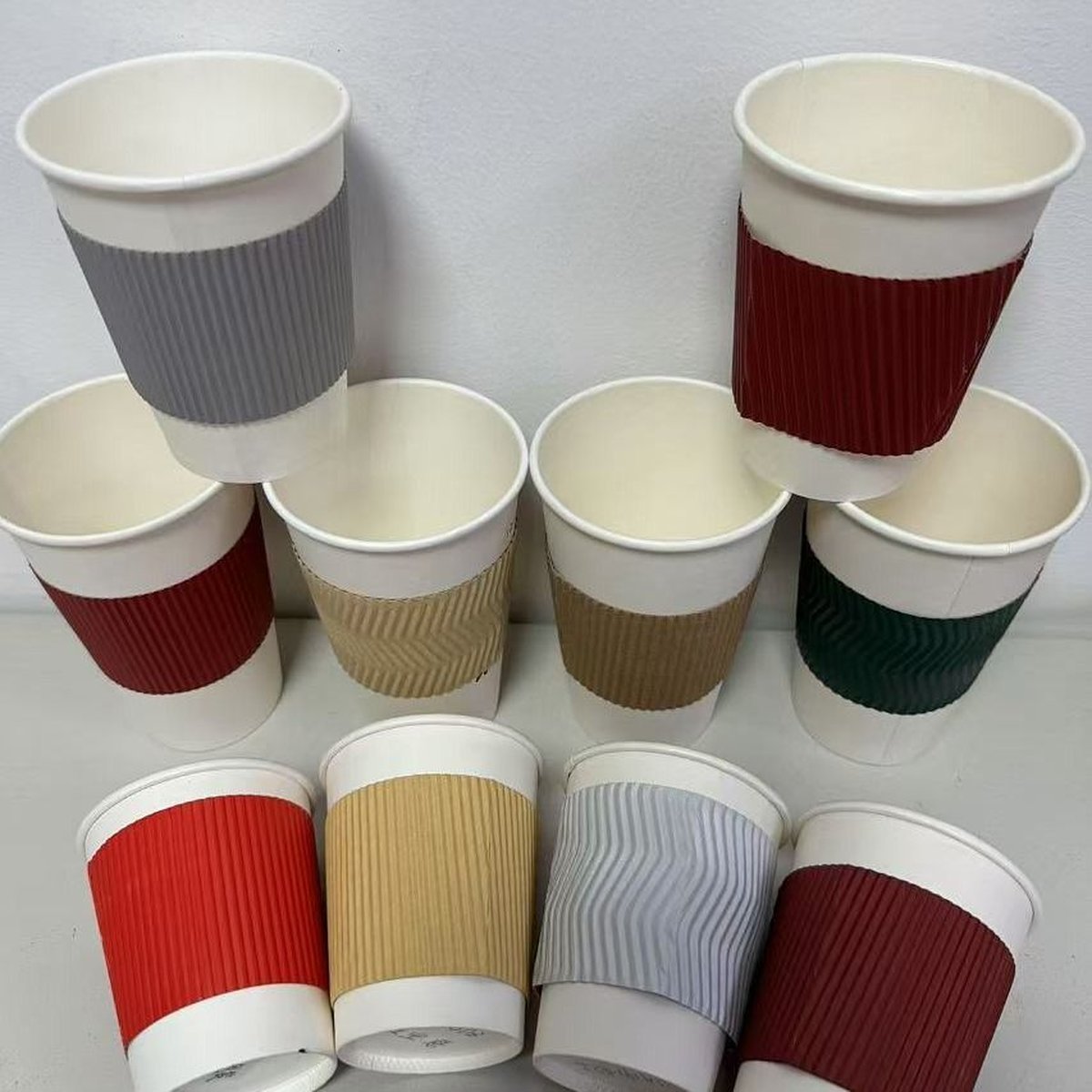
That change applies to the cup on your counter too. Coatings, inks, sleeve adhesives, lid materials — every surface the beverage touches now sits inside the same substance restriction regime. Any single component failing a threshold puts the entire finished unit out of scope for the EU market.
Published legal analysis is direct on this point. Your packaging manufactured before August 2026 cannot be placed on the EU market if it exceeds the regulation’s limits. Your existing inventory isn’t grandfathered simply because it was made earlier. Any non-compliant stock you hold now may already be unplaceable in the EU.
This matters most if you sell into the EU or supply importers who do. Ask XINNENG or any supplier for current, dated evidence, not a certificate issued before the rules took effect.
Three things PPWR actually requires of your cups, and the evidence to request for each
Requirement 1: PFAS limits in food-contact packaging
Regulation (EU) 2025/40, Article 5, sets specific concentration limits for PFAS on your cup. PFAS is the group of persistent chemicals sometimes used to repel water and grease in food-contact packaging. The regulation restricts both individual substances and aggregate totals. The figures below summarise the headline thresholds; verify the exact text against the current regulation version before quoting them on customer-facing documents.
Figures summarised from published legal analysis of Regulation (EU) 2025/40, Article 5. Confirm the exact text against the regulation’s current version before relying on it in a contract.
| Requirement | Limit / Figure | What the buyer should check |
|---|---|---|
| Individual PFAS substance | 25 ppb | Per-substance concentration vs. PPWR threshold. |
| Sum of targeted PFAS substances | 250 ppb | Aggregate of listed PFAS compounds. |
| Total PFAS (incl. polymeric) | 50 ppm | Covers all PFAS, polymeric included. |
| Combined heavy metals (Pb, Cd, Hg, Cr⁶⁺) | 100 mg/kg | Inks, coatings, and base board combined. |
These numbers apply directly to any coating, barrier, ink, or treatment used on your cup, not just the base paperboard. Ask XINNENG for a written statement on whether PFAS is used intentionally anywhere in your order’s coating or surface treatment, plus dated test data against all three thresholds.
Define “PFAS-free” carefully before you accept the term from any supplier. XINNENG’s own guidance to buyers frames it the same conservative way this article does. No added forever chemicals beyond the regulation’s limits, with test data to back the claim.
Requirement 2: Heavy metal concentration limits
The same article sets a combined limit for four restricted heavy metals in your cup: lead, cadmium, mercury, and hexavalent chromium. Published sources put this threshold at 100 mg/kg combined, a figure you should verify against the regulation’s current text before quoting it on a customer-facing document.
This requirement isn’t new to 2026 in the way the PFAS limits are. It remains fully in force under the current regulation, though. Ask your supplier for confirmation that inks, coatings, and any printing inks on your order meet the combined limit, with dated test data to back the claim.
Requirement 3: A signed Declaration of Conformity and technical file
PPWR requires your packaging manufacturer to issue a written Declaration of Conformity confirming their packaging meets the regulation’s sustainability and substance requirements. Published guidance describes this as a signed manufacturer document, not a self-declaration by you as the importer. Treat any unsigned or undated version as not yet evidence.
As the importer, you don’t create this document yourself. You collect it from your manufacturer and keep it on file. Published guidance puts that retention period at 5 years for single-use packaging. Confirm the exact figure that applies to your packaging type with qualified counsel before treating this as your retention policy.
XINNENG’s own certificates and compliance documentation cover roughly the same evidence set you’d need for EU export. Food-contact material evidence, PFAS and heavy-metal data, packaging-regulation compliance, a Declaration of Conformity, and supporting technical files. Ask for the full set as one package, not as separate documents collected over time.
What PPWR doesn’t fully resolve yet
Here’s something worth knowing before you assume a clean pass-or-fail answer exists. Published compliance guidance notes there’s no single harmonized EU test methodology for measuring PFAS in food-contact packaging at the regulation’s specific thresholds. Multiple labs may use different protocols during this transitional period.
That gap doesn’t remove your obligation to comply. It does mean two labs could reasonably use different protocols and reach different readings on the same cup. Ask your supplier which test methodology their data uses, and which lab ran it. That single question lets you compare like-for-like across suppliers. XINNENG answers it from its in-house quality control and laboratory testing, so you can ask any manufacturer for both the method name and the lab that ran it.
Where this actually applies to your business
PPWR governs packaging placed on the EU market specifically. If you import or distribute into the EU, this applies to you directly, regardless of where your cups are manufactured. If you sell only outside the EU, the legal obligation is reduced, though the underlying substance concerns are showing up in other jurisdictions too.
Don’t assume a supplier’s PPWR compliance work automatically satisfies a different market’s separate requirements. Confirm what applies to your specific destination country before treating any single compliance statement as covering every market your cups might reach.
Explore the paper coffee cup range
Browse the standard paper coffee cup formats XINNENG produces for food-service and retail buyers. Specifications and material options are shown per SKU. Confirm any destination-market compliance requirements separately against the current regulation.
Evidence importers should request before shipment
The fastest way to read a supplier’s compliance readiness is to ask for the document set below. Use it as a checklist for your next supplier conversation: every item here is a document you can ask any cup manufacturer for before you release an EU-bound shipment.
Compiled from published legal and compliance analysis of Regulation (EU) 2025/40. Not a substitute for qualified legal review of your specific shipment.
| Document / Evidence | What the buyer should verify | Why it matters |
|---|---|---|
| PFAS test report | Against 25 ppb / 250 ppb / 50 ppm thresholds | Demonstrates the cup passes the PFAS cap. |
| Heavy-metal test report | Against Pb / Cd / Hg / Cr⁶⁺ combined 100 mg/kg | Demonstrates the cup passes the metal cap. |
| Declaration of Conformity | References Regulation (EU) 2025/40 by name; signed; dated | Manufacturer’s formal compliance claim. |
| Food-contact statement | Covers base board, coating, ink, lid, sleeve | Confirms every touching surface is food-contact safe. |
| Technical file | Lists test labs, methods, retention period | Gives the auditor something concrete to inspect. |
Where this guidance doesn’t generalize

This article summarizes a regulation that took effect only recently, based on published legal and compliance analysis. It isn’t a confirmed XINNENG compliance statement, and it isn’t a substitute for qualified legal review of your specific situation. Treat the figures and obligations named here as your starting point for a conversation with counsel.
Verify the current requirements and your specific obligations with qualified legal counsel before making an import decision based solely on this article. Treat the figures here as your starting point, not your final answer.
FAQ
Does PPWR apply to paper cups specifically, or only plastic packaging?
It applies to packaging broadly, including paper-based food-contact packaging like cups, not only plastic items. Your coating and printing materials fall within its substance restrictions too.
What happens to your existing inventory made before August 2026?
Published legal analysis states there’s no grandfathering provision. Your non-compliant packaging can’t be placed on the EU market regardless of when it was manufactured.
Who is legally responsible if your cups fail to meet these limits, you or your supplier?
Your manufacturer signs the Declaration of Conformity. That assigns them legal responsibility for accuracy. As the importer, you still carry a verification obligation, so don’t skip requesting the evidence yourself.
Is a general "food grade" or "food safe" claim enough evidence for your PPWR file?
No. Ask specifically for PFAS test data against the three published thresholds. Request heavy metal confirmation too, plus a Declaration of Conformity that references Regulation (EU) 2025/40 by name.
How long do you need to keep this documentation on file?
Published guidance describes a 5-year retention period for single-use packaging documentation. Reusable packaging carries a longer requirement. Confirm the exact figure for your packaging type with your own counsel.
If you don’t sell into the EU, can you ignore this regulation entirely?
For direct legal purposes, largely yes. PPWR governs the EU market specifically. The PFAS and heavy-metal concerns behind it are showing up elsewhere too, though, so it’s worth tracking even outside the EU.
Need Documentation for Your Paper Cup Project?
Buyers can discuss cup specification, material and coating, destination market, documentation and evidence requirements, testing information, and order requirements directly with the XINNENG team. Bring your specific destination country into the conversation so the evidence package built for you actually fits the regulation you receive it under.