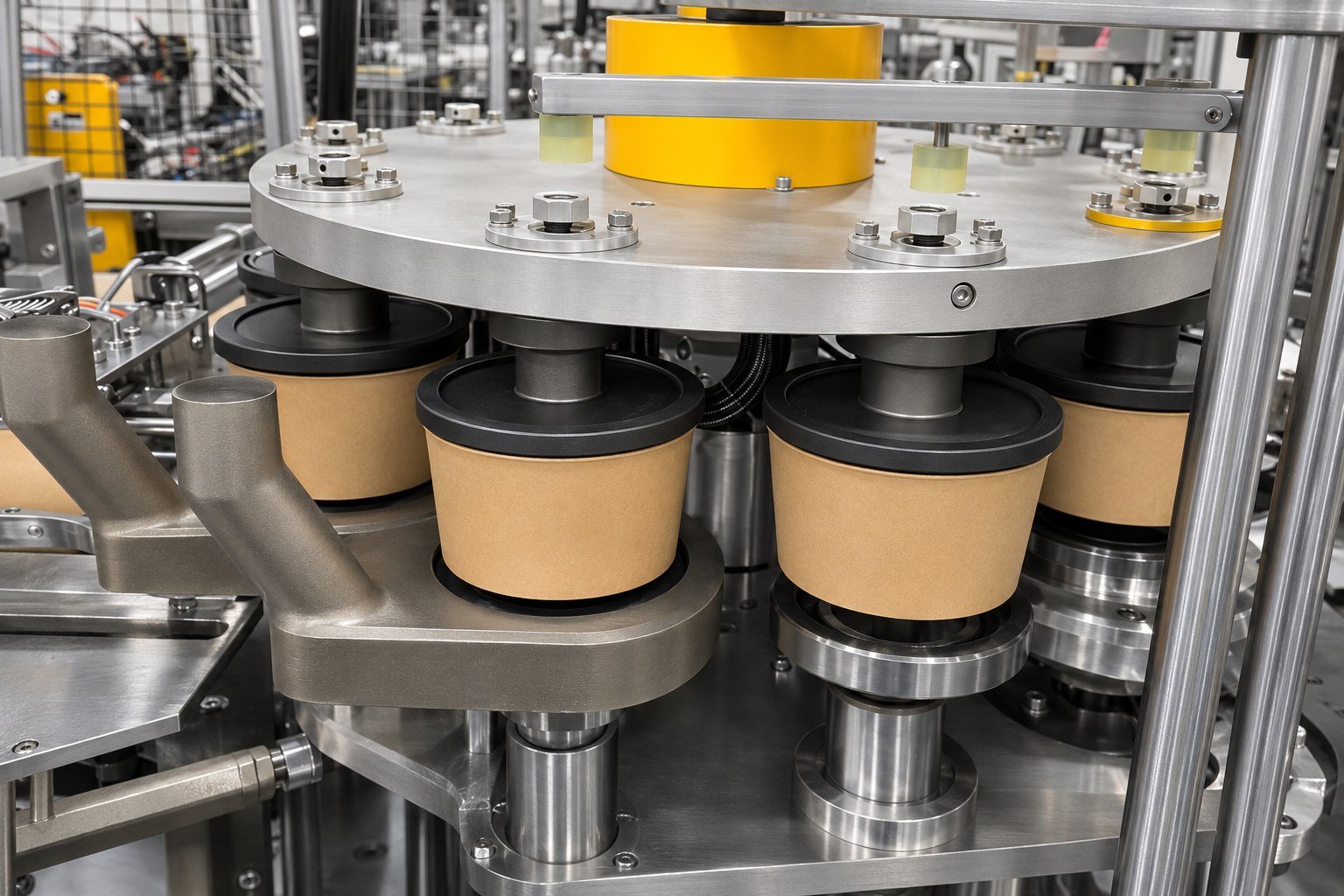
Paper ice cream cups and bowls are short, wide containers made for frozen desserts. You choose one by matching four things to the dessert: portion size, serving temperature, coating and lid. Ice cream, gelato and frozen yogurt behave differently in a cup. A gelato counter and a froyo bar rarely need the same spec. This guide helps you pick one for each, then test it with your real dessert.
Cup or Bowl: What the Names Mean

You will see one product sold as an ice cream cup, bowl or dessert cup. In most cases, the names describe one shape: a paper container wider at the top than it is tall. That shape gives a spoon room to reach the bottom and keeps toppings in view.
XINNENG sells this line as ice cream bowls. Its 4 oz size measures about 71 to 77 mm across the top and 48 to 53 mm in height. So you get a shallow, open shape, not a drink cup.
Ice Cream, Gelato and Frozen Yogurt Compared
Each dessert puts a different load on the cup. The table shows where the specification usually changes, before you get to size and print.
| Factor | Hard ice cream | Gelato | Frozen yogurt |
|---|---|---|---|
| Serving style | Scooped, firm | Paddled, softer | Soft-serve, often self-serve |
| Typical portion | Single or double scoop | Smaller, denser servings | Often larger, weighed |
| Toppings | Sometimes | Rarely heavy | Often heavy, wet or crunchy |
| Moisture risk | Melt during carry | Softer, wetter at service | Melt plus wet toppings |
| Lid need | Takeaway and delivery | Takeaway | Toppings and takeaway |
| Key spec | Freezer rating, lid fit | Coating, tidy rim | Capacity, headspace |
Below, each column in more detail.
Hard Ice Cream: Freezer Rating and Time to the Spoon
For scooped ice cream, start with the freezer rating. You may pre-fill cups and store them in a display freezer, or scoop to order and hand them over. Either way, the cup meets deeply frozen product.
XINNENG publishes a range of −20°C to 60°C for its ice cream bowls. The product data says a bowl does not craze after a night at −18°C. The FAQ confirms freezer use, but asks you to confirm coating and dwell time for long storage. Pre-filling and holding stock for days? Say so in the inquiry.

Then think about time before the customer eats. A scoop eaten at the counter needs little from the cup. A scoop carried home or sent by delivery starts to melt. Melt runs to the base and the seam. That is when coating quality shows.
Gelato: Softer at Service, So the Coating Matters


Gelato is served softer than hard ice cream. A useful benchmark from GelatoLabs puts typical gelato serving temperature at about −12°C, while ice cream is often served near −18°C. A softer, warmer dessert sits wetter against the paper, so look hard at the lining, not just the board.
You can order these bowls with PE or a water-based coating. XINNENG’s bowl coating guide describes PE as generally the lowest-cost option and not compostable or easily recyclable in ordinary systems. Water-based barriers replace the plastic film, but performance varies by formulation. Ask for test reports on the exact bowl. Gelato portions also tend to be compact: a small bowl with a clean rim looks better than a half-empty large one, so test two sizes with the same portion and compare.
Frozen Yogurt: Capacity, Toppings and Headspace


Frozen yogurt needs the most room in the cup. If you run self-serve froyo, you often sell by weight. Customers pile on fruit, sauces and crunchy toppings. All of that needs headspace above the yogurt and below the lid.

Frozen yogurt appears among the listed uses for these bowls. The published size table runs 2, 3, 4, 5, 6 and 8 oz. The page text also mentions freezer-safe bowls up to 16 oz, but the specification table stops at 8 oz. Get any larger size confirmed in writing, with dimensions, before you print artwork for it.
Wet toppings add their own risk. Fruit and syrup add liquid that sits against the wall. Test your wettest topping combination in the sample, not plain yogurt.
Sizes, Board and Stacking at a Glance
You can compare the published ice cream bowl sizes here. Dimensions are ranges, as the factory publishes them.
| Capacity | Top diameter | Height | Pieces per carton |
|---|---|---|---|
| 2 oz (about 60 ml) | 62 to 68 mm | 38 to 42 mm | 4,000 |
| 3 oz (about 90 ml) | 66 to 72 mm | 43 to 48 mm | 3,200 |
| 4 oz (about 120 ml) | 71 to 77 mm | 48 to 53 mm | 2,800 |
| 5 oz (about 150 ml) | 76 to 82 mm | 53 to 58 mm | 2,400 |
| 6 oz (about 180 ml) | 81 to 87 mm | 58 to 63 mm | 2,000 |
| 8 oz (about 240 ml) | 88 to 94 mm | 65 to 70 mm | 1,600 |
Every size uses 200 to 260 gsm board with PE or water-based coating on request. The top diameter is a range, so confirm the exact figure per size; you need it to match a lid. The carton counts help you plan storage. Small sizes pack densely, so 2 oz tasting cups take little freezer-room space. Larger bowls take more space per piece. Check back-of-house space before you order every size at once.

Lids: Ask for the Data Before You Plan Delivery

A lid matters most when the dessert travels. It holds toppings in place and slows melt. A dome lid gives toppings room; a flat lid suits a level scoop.
XINNENG lists anti-fog lids on this line, alongside dome and paper options. It does not publish lid sizes, materials or test conditions size by size. Ask for current lid data matched to each bowl rim, then test the pair together. A lid and container can each pass alone, then fail together; this compatibility guide explains the risk.
Condensation and Moisture: What to Check
A frozen dessert chills the cup wall. Warm air then condenses on the outside. If the outer surface takes up that water, the bowl softens in the hand. You will notice it most in summer and during delivery.
Ask the factory which surfaces carry the coating on your chosen bowl. Then test the sample in your warmest serving conditions: hold a filled bowl for the time a customer would take to finish it. See the bowl and lid clarity guide for why condensation forms on a sealed dessert cup.
Sample Checks to Run With Your Real Dessert
You learn more from one real sample than from any spec sheet. Fill it with your own dessert, at your own serving temperature, then run these checks:
- Freezer hold: fill, lid and store overnight at your cabinet temperature.
- Crazing: check the inner coating for cracks after the freezer hold.
- Melt test: leave a filled bowl at room temperature for your longest delivery time.
- Base and seam: look for seepage or softening where melt collects.
- Condensation: hold the bowl and check the outside for sweating.
- Toppings: add your wettest combination and check the wall and rim.
- Lid fit: press it on, tilt the bowl and carry it bagged.
- Stacking: nest empty bowls and check they separate cleanly at the counter.
XINNENG offers a free digital e-proof for artwork. A physical mock-up is about $14 and takes around three days; an on-press sample on real print material is about $70. The on-press sample fee is refundable against a bulk order. Ask which sample suits your test before you book it. The bowl sample guide sets out what each stage proves.

MOQ, Lead Time and Print
You can plan around the published ice cream bowl terms: MOQ is 10,000 pieces, with same-artwork jobs combinable across sizes. Lead time is about one week for 10,000 pieces. Larger runs of 50,000 to 200,000 pieces take about 15 days, plus shipping. Combining sizes helps when one design runs on two bowls: one artwork across 4 and 8 oz counts toward the same MOQ, so you can test a two-size menu without doubling the order.
Send artwork as AI, PDF or EPS with vector logo and CMYK or Pantone colours. For the wider production sequence, see the artwork-to-container timeline.
Documents to Request for Food Contact
Frozen desserts touch the paper directly, so ask for evidence early. Request food-contact test reports for your destination market. Check each report is current and names the bowl. Planning a recyclable or compostable claim? Ask for a certificate covering that bowl and market. XINNENG’s FAQ advises against “100% eco-friendly” wording because it is too absolute; state the material, certification and disposal conditions instead.
A Note on Candy and Dry Desserts
You may also sell candy, chocolates or dry sweets. A frozen-dessert bowl is not the natural home for those. Dry or wrapped candy usually suits a box, tube or folding pack. XINNENG makes those under its separate candy packaging range. Ask about that line directly if you sell candy too.
Supplier Inquiry Checklist
Send these details with your first message. You will get a quote and sample plan that fit your counter:
- Dessert type: ice cream, gelato or frozen yogurt
- Portion size for each menu item, by weight or scoop
- Serving and storage temperature, and how long you pre-fill
- Takeaway or delivery time before the customer eats
- Toppings you serve, especially wet ones
- Sizes and estimated quantity per size
- Coating preference and destination market
- Lid style, and whether you need anti-fog
- Artwork as a vector file, with CMYK or Pantone colours
- Any claims you plan to print on the bowl
FAQ
Are paper ice cream bowls freezer safe?
XINNENG rates its ice cream bowls from -20°C to 60°C. Its product data says they do not craze after a night at -18°C. For long storage, confirm coating and dwell time with the factory.
What size paper cup do I need for one scoop of ice cream?
It depends on your scoop size and toppings. Small sizes like 3 or 4 oz often suit a single scoop. Test your real scoop in two sizes and check the headspace under the lid.
Can I use the same cup for ice cream and frozen yogurt?
You can, if the capacity and headspace suit both. Frozen yogurt often needs more room for toppings. Check your largest froyo portion fits before you standardise on one size.
Do paper ice cream cups need a lid?
You need one for takeaway and delivery. A lid holds toppings and slows melt. Anti-fog lids are listed on this line, so ask for lid data matched to each size.
Which coating should I choose for gelato?
You can choose PE or water-based on these bowls. PE is stable and low cost but harder to recycle in many areas. Water-based performance varies, so ask for test reports.
Why does my ice cream cup get soggy on the outside?
Cold product chills the wall, and warm air condenses on it. Ask which surfaces carry the coating, then test the sample in your warmest conditions.
What is the MOQ for custom printed ice cream bowls?
XINNENG lists 10,000 pieces for these bowls. Same-artwork jobs across different sizes can often be combined toward that total. Ask for a quote per size and design.
Can I put candy in paper ice cream cups?
You can for a quick serving, but it is rarely the right pack. Dry or wrapped candy usually suits a box, tube or folding pack. XINNENG makes those in a separate range.
Request a Sample of Paper Ice Cream Bowls
Good paper ice cream cups and bowls start with a real-dessert sample. Tell XINNENG what you serve, your portion sizes, toppings and storage temperature. You will get a size and coating recommendation to test before you commit.