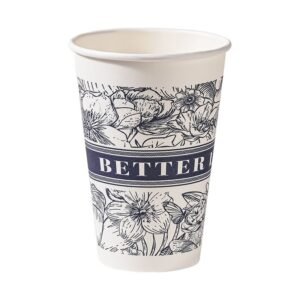

A quick counter test, fill a cup, wait 30 minutes, check for wet spots, only catches your most obvious leaks. Real manufacturer testing runs hot coffee for 24 hours across hundreds of cups. Real delivery conditions add vibration and drop stress your counter test never sees. Your actual failure risk lives in that gap.
The leak your customer finds after you don’t
You run your own quick check before approving a new cup order. You fill a sample, set a timer, and nothing leaks in 30 minutes. You approve the order.
Then a delivery customer messages you two hours later about a soaked bag. Or your barista reports a side seam splitting after your cup sits in a to-go tray through a bumpy bike delivery. Your 30-minute test told you nothing about either failure mode.
This isn’t your test being wrong. It’s your test answering a narrower question than you think it does. A short static hold test tells you whether a cup leaks quickly and obviously. It tells you almost nothing about slow seepage, extended hold times, or physical stress during transport.
XINNENG’s own guidance to buyers backs up that exact gap. No leak in 30 minutes doesn’t mean your cup is fine. Real store and takeaway conditions bring hot drinks, shaking, squeezing, and a much longer dwell time than a quick counter check. Its own testing runs 1 hour and beyond as standard practice, precisely because a 30-minute window only catches your most basic issue.
What your 30-minute test actually checks, and where it stops
A basic hold test answers one question well for you: does this cup leak fast, with no physical stress, in a short window? Published buyer guidance describes exactly this kind of check. Fill a cup, hold it still for roughly 5 to 10 minutes over absorbent paper, and watch for visible moisture.
That test is useful. It catches your worst defects, like a badly formed bottom seal or a side seam with an obvious gap. It’s also fast enough to run on every incoming batch without slowing down your approval process.
What it doesn’t catch is anything that develops slowly or under stress. A seam that holds for 30 minutes can still fail at hour two. A cup that survives sitting still on your counter can still fail after 20 minutes of vibration in a delivery bag. Your basic test was never designed to answer either question.
What actually causes a leak, and which test level catches it
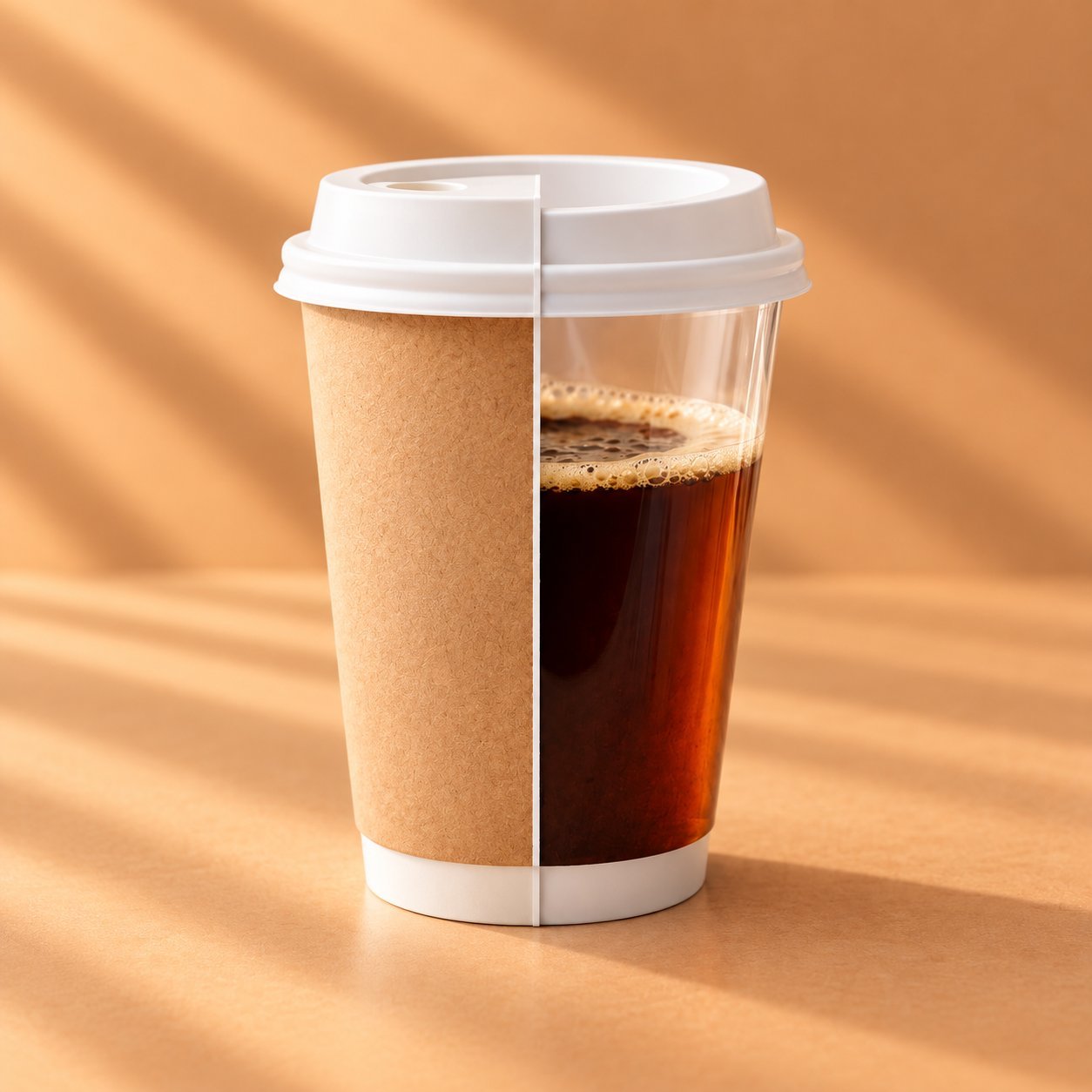
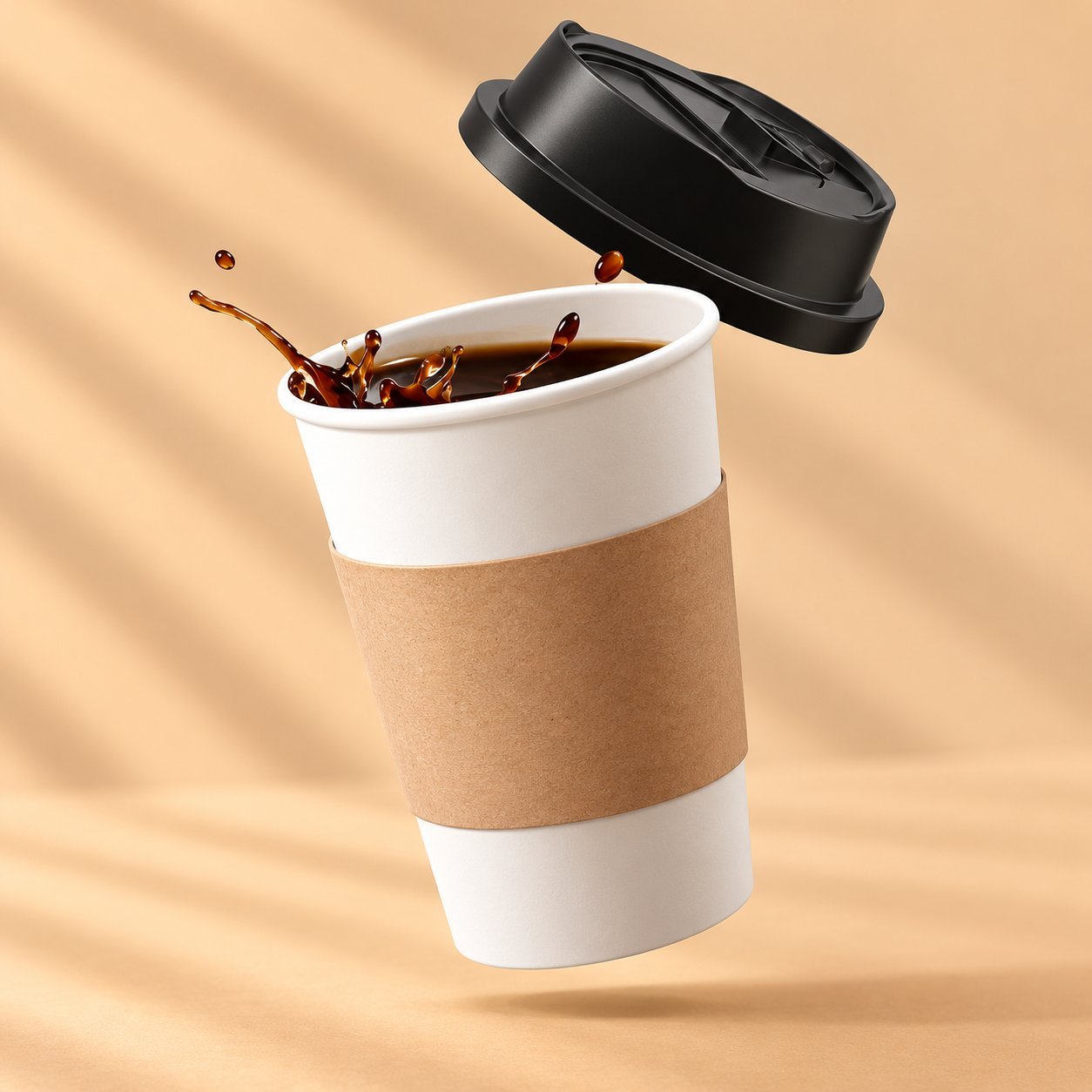
XINNENG’s own guidance names the usual causes directly: a weak bottom seal, a side seam gap, coating pinholes, a mismatched lid, a too-hot drink, a long dwell time, or transit vibration. Matching each cause to a test level tells you where your own testing gap sits. A bad bottom seal or an obvious seam gap usually shows up even in your basic counter test. Coating pinholes and heat-driven softening often only surface after your cup sits under sustained heat. That’s exactly what a longer hot-beverage test is built to catch. Transit vibration and a poorly seated lid rarely show up until your cup gets physically jostled. Neither a counter test nor a static heat test was built to check for that.
Three levels of testing rigor, and what each one actually proves
Level 1: The counter test you’re probably already running
This is your fill-and-wait check, typically 5 to 30 minutes, done on a handful of samples with no added stress. It’s a real, useful screening step. Treat it as your baseline, not your final answer.
Level 2: The manufacturer’s extended hot-beverage test
Published manufacturing practice describes testing with hot black coffee held above 90°C for a full 24 hours, not 30 minutes. One documented protocol pulls 300 cups daily from production for you to picture the scale involved. Cups sit on stands with mirrors underneath, so inspectors can see any seepage at the base without disturbing the cup.
Hot coffee gets used specifically because it’s more revealing than hot water. Published reasoning notes coffee is more permeable. It shows visible staining immediately if it escapes, while a clear liquid can hide a small leak from you longer. The extended 24-hour window also accounts for a real risk your quick test misses. Coating or seam failures often only show up after sustained heat exposure, not at your 30-minute mark.
Ask XINNENG whether this level of testing runs on your actual order, not just on a general product line. A test result from a different SKU or a different production run tells you less than you’d assume.
Level 3: Transit and delivery stress testing
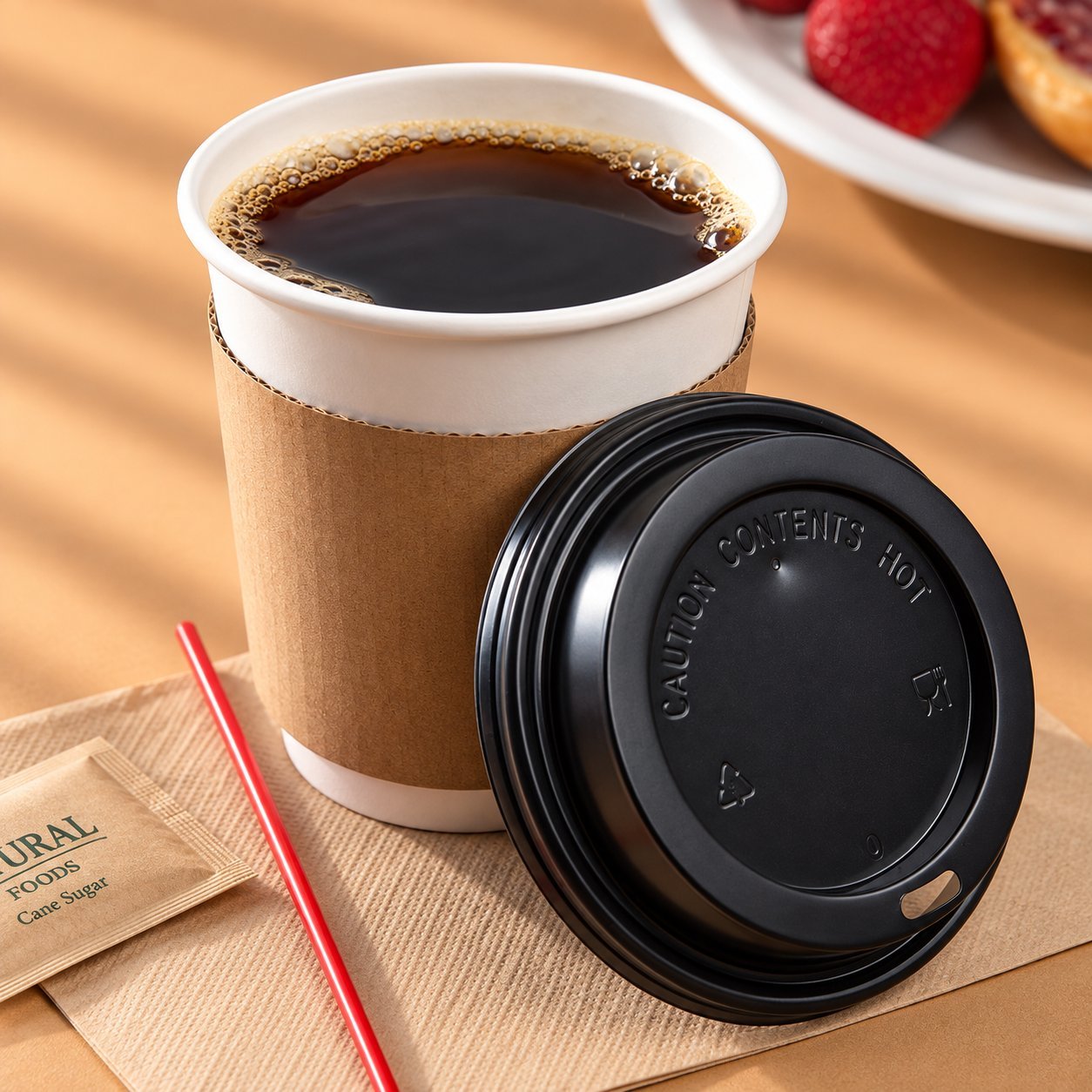
This is the level most buyers never think to ask about. It’s exactly where you need to look if your business is delivery-heavy or export-focused. General packaging test standards, like the ISTA 3A procedure used across the parcel shipping industry, combine drop testing, vibration testing, and an extended leak-integrity check. That check commonly runs 8 hours, specifically for liquid-containing products.
These standards weren’t built for paper cups specifically. They were built for shipped parcels generally. They matter here because they describe exactly the stress your cup faces in a delivery bag. Think repeated vibration, tilting, and impact, sustained over hours rather than minutes. A cup that passes a still, static 24-hour test can still fail once it’s jostled around in a moving vehicle.
If a meaningful share of your volume goes out for delivery, ask your supplier one thing. Has any transit-style stress testing run on your cup and lid combination together? A leak-proof cup paired with a poorly seated lid can still fail during transport, even when neither component fails on its own.
Scope note: these durations and methods come from published manufacturing and packaging-industry sources, not a confirmed XINNENG test protocol. Ask XINNENG directly which of these levels your order has actually been tested against.
| Test level | Typical duration | Stress applied | What it proves | What it misses |
|---|---|---|---|---|
| Level 1: counter test | 5 to 30 minutes | None, static hold | Catches obvious, fast defects | Slow leaks, stress-related failures |
| Level 2: manufacturer hot-beverage test | Up to 24 hours | Sustained heat, no movement | Catches slow seam and coating failures | Vibration and impact failures |
| Level 3: transit stress test | Commonly 8 hours of leak checking, alongside drop and vibration cycles | Drop, vibration, tilting | Catches delivery-condition failures | Nothing on its own, but rarely run for paper cups specifically |
Signs your current testing isn’t catching your real failures
You’re only testing at room temperature or with water. Published guidance specifically favors hot coffee over water for revealing leaks your eye would otherwise miss. If your test liquid doesn’t match your actual product, your result doesn’t either.
You’re only testing for 30 minutes or less. That window catches fast, obvious failures. It says nothing about a seam that holds for an hour and fails at hour two. That matters if your drinks sit for extended service times.
You never test the cup and lid together under movement. A cup can pass alone and still leak once paired with a lid that seats imperfectly, especially once your delivery driver hits a pothole. Test the combination your customer actually receives.
You’re testing a sample pulled once, not a rolling daily check. A single passing sample from months ago tells you nothing about today’s production run. Published manufacturer practice pulls fresh samples daily for exactly this reason.
Nobody can show you a written test report. A verbal assurance that “our cups don’t leak” isn’t documentation. Ask for the actual protocol, sample size, and pass criteria your supplier uses.
What to ask your supplier before you approve your next order
Ask XINNENG for your test temperature, your hold duration, and your sample size, not just a pass or fail summary. Ask whether your cup and lid get tested together, and whether any movement or vibration stress gets applied at all.
If a meaningful share of your volume ships for delivery, say so directly. That single detail should change which level of testing actually matters for your order. A supplier worth working with will tell you that honestly.
Where this guidance doesn’t generalize
Testing rigor varies significantly between your possible suppliers. No universal standard mandates one specific leak-test protocol for paper cups, unlike some regulatory standards that apply to food-contact materials. Published industry organizations, including TAPPI, ASTM International, and ISO’s paper and board technical committee, publish relevant test methods. This article doesn’t cite specific standard numbers for leak testing, since none were independently verified as directly governing this exact test.
A cup that passes every level described here can still fail under a condition unique to your specific route, climate, or handling process. Treat this framework as a starting point for your own supplier conversation, not a guarantee for your exact use case.
FAQ
Is a 30-minute leak test actually useless?
No, it’s a legitimate first screen. It just answers a narrower question than most buyers assume, so don’t treat it as your final proof of quality. XINNENG’s own guidance draws the same line, testing 1 hour and beyond as standard practice rather than stopping at 30 minutes.
What actually causes a paper cup to leak in the first place?
XINNENG’s own guidance points to several causes. A weak bottom seal, a side seam gap, coating pinholes, a mismatched lid, a too-hot drink, a long dwell time, or transit vibration. Ask your supplier which of these your current test actually screens for.
Why does hot coffee matter more than hot water for leak testing?
Published reasoning says coffee is more permeable and shows a visible stain immediately if it escapes. Hot water can hide a small leak longer, giving you a falsely confident result.
Should I ask for transit or vibration testing if I don’t sell through delivery?
Probably not as a priority. That level of testing matters most if a meaningful share of your volume travels in a delivery bag or export shipment.
Can a cup pass a 24-hour hot-beverage test and still leak in your delivery bag?
Yes, and this is exactly the gap this article focuses on. A static heat test and a movement-based stress test check for different failure modes entirely.
How often should my supplier run leak tests, not just once per new design?
Published manufacturer practice pulls fresh samples daily from ongoing production. Ask whether that’s your supplier’s actual routine.
What’s the single most useful question I can ask about leak testing?
Ask your supplier for their actual written protocol. Test liquid, temperature, duration, and sample size all matter more than a yes-or-no answer. A specific answer tells you far more than a general assurance.
Ask for the Testing Protocol Behind Your Order
Tell XINNENG whether your cups are used over the counter, for delivery, or both. Ask for the actual test liquid, temperature, duration and sample size used for your order.