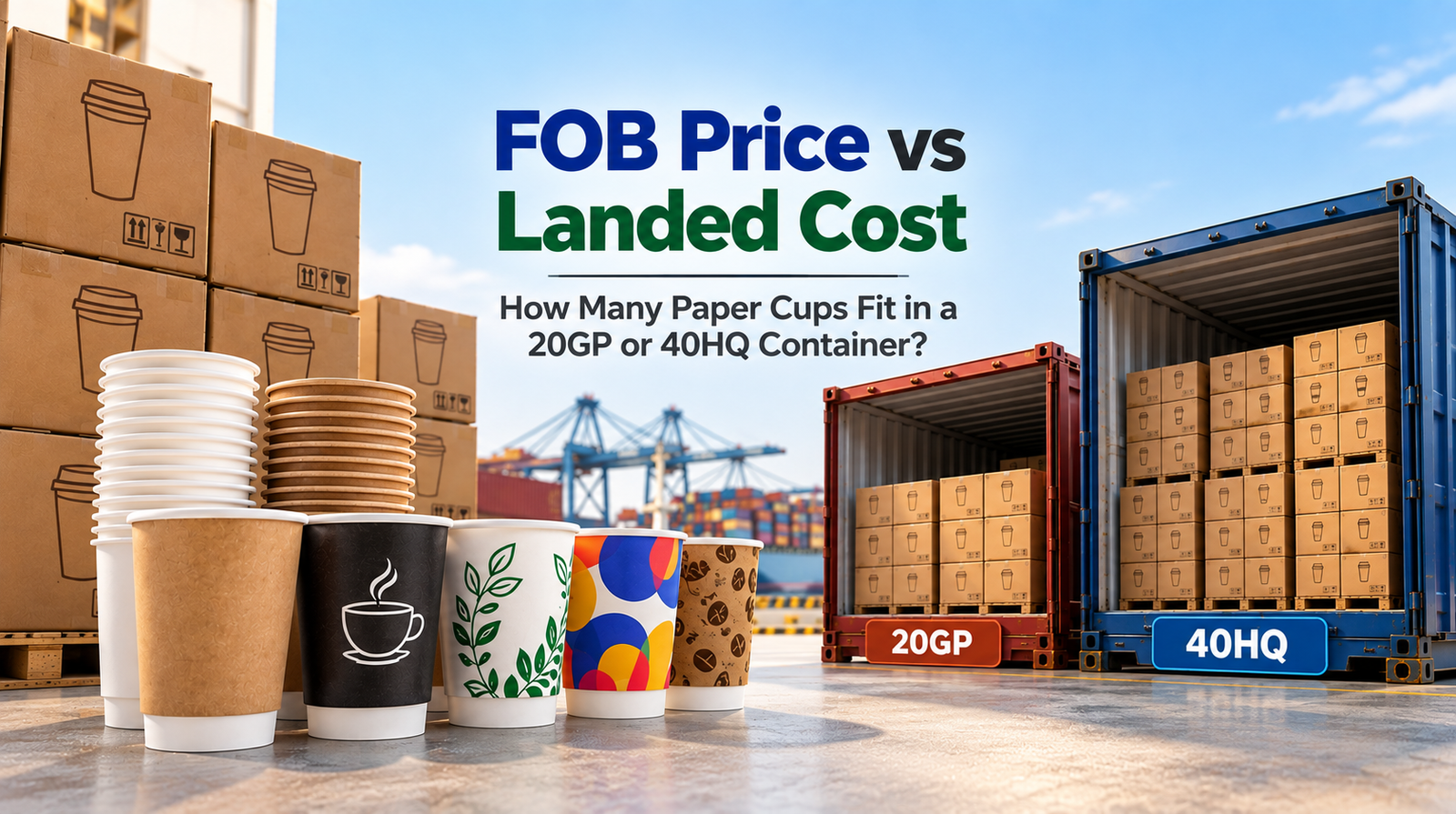
A lower FOB price doesn’t always mean a lower landed cost. Carton cube — how much space each carton actually takes up — decides how many cups fit in your container, and that number swings your per-cup freight cost as much as the FOB price does. You need both numbers together before you can compare two quotes honestly.
The problem you’re actually solving
Two suppliers quote you the same cup at different FOB prices. You pick the cheaper one. Then your freight forwarder tells you it fits fewer units per container than the other supplier’s carton, and your landed cost per cup comes out about the same — or worse.
This happens because FOB price and container utilization are two separate numbers that move independently. A cup with a bulkier wall construction, a less efficient nesting pattern, or a larger carton footprint can eat your FOB savings entirely once you divide your fixed freight cost across fewer units. Comparing FOB price alone, without checking cartons-per-container, is comparing half the picture.
Definitions: the numbers you actually need
CBM (cubic meters). The volume measurement used for ocean freight. You calculate a carton’s CBM as length × width × height in meters. Multiply by your total carton count to get your total shipment volume.
Theoretical vs. realistic container capacity. A container’s theoretical CBM is its raw internal volume. You never load 100% of that in practice — carton-fit imperfection, stacking limits, and lashing space mean real-world packing efficiency runs lower. Realistic loading typically runs 75-85% of theoretical capacity for a 20GP container and 85-92% for a 40HQ container.
Landed cost. Your true cost per unit once it reaches your destination — FOB price, plus ocean freight, plus duties and tariffs, plus insurance, plus destination handling and inland transport, all divided by your total unit count. FOB price is only the starting input, not the comparison you should be making.
Freight per 1,000 cups. A useful normalized number for comparing suppliers with different carton sizes. You get it by dividing your total container freight cost by the total cups it holds, then multiplying by 1,000. This lets you compare freight efficiency independent of FOB price.
Standard container capacity reference
| Container | Internal dimensions (approx.) | Theoretical CBM | Realistic loading efficiency | Realistic usable CBM |
|---|---|---|---|---|
| 20GP | 5.90m × 2.35m × 2.39m | 33.2 m³ | 75-85% | ~25-28 m³ |
| 40HQ | 12.03m × 2.35m × 2.70m | 76.4 m³ | 85-92% | ~65-68 m³ |
Source: standard ISO container specifications and common freight-forwarder loading guidance. Your actual usable volume depends on your specific carton dimensions, stacking pattern, and any palletization you use.
A worked example
Illustrative carton dimensions only — confirm your actual specs with us.
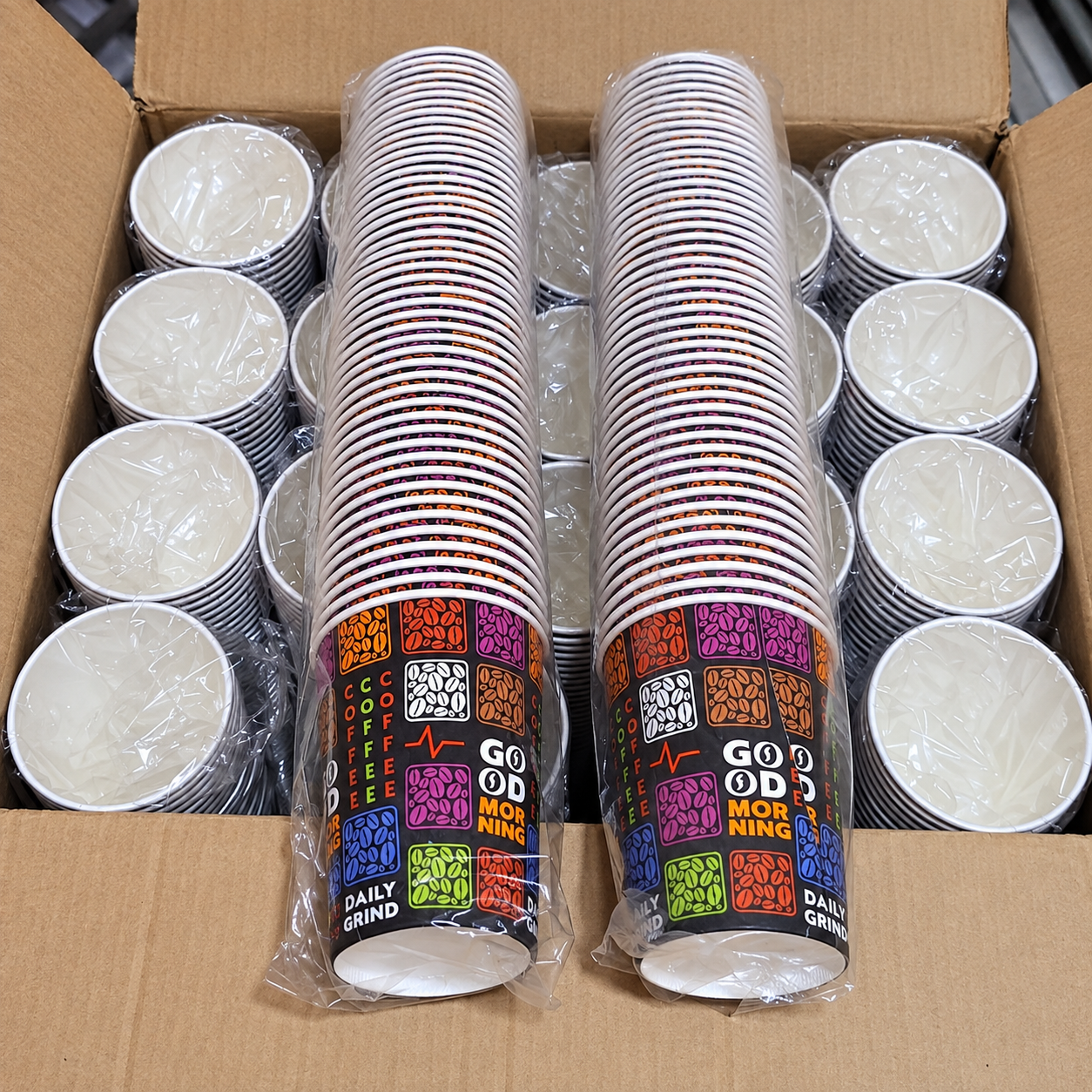
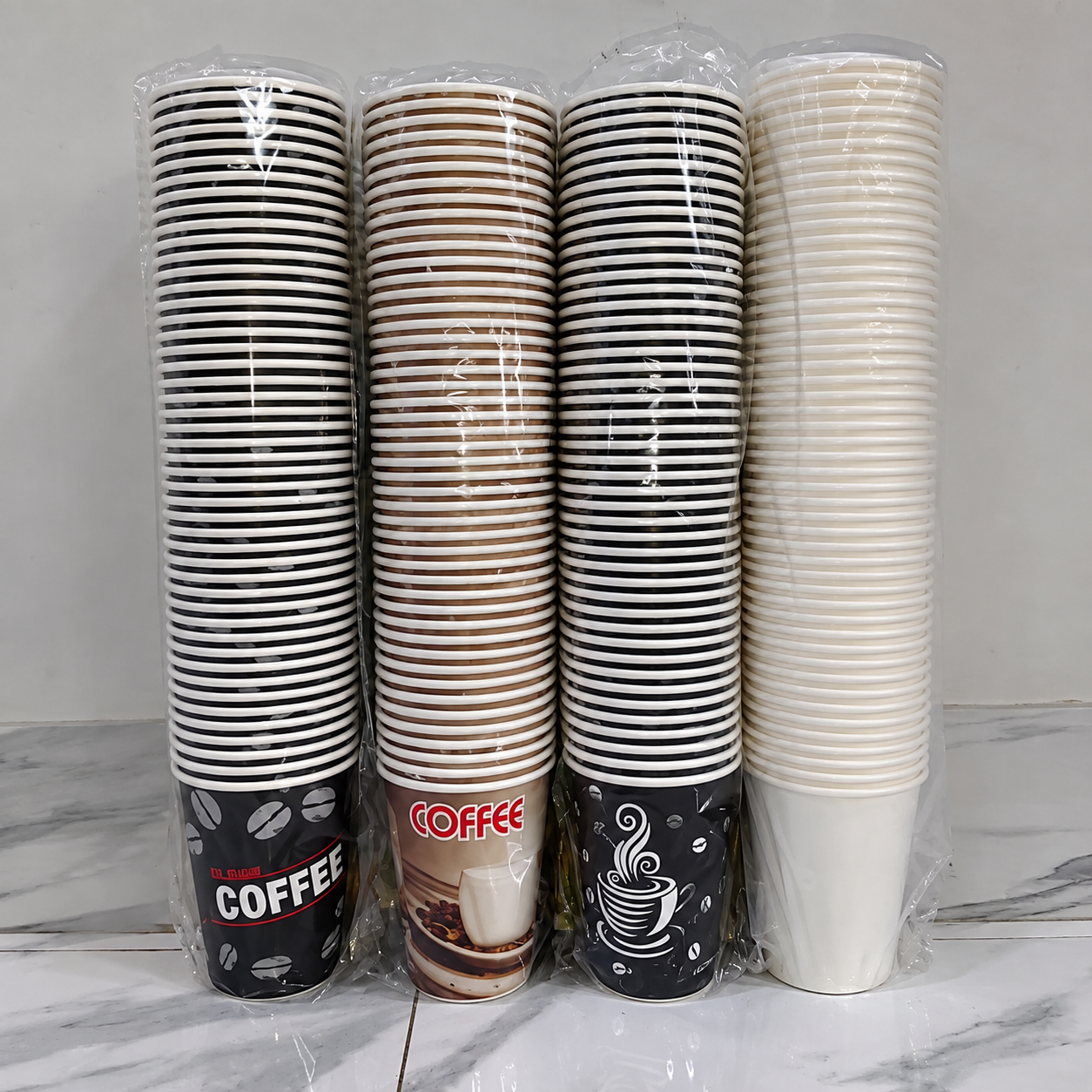
Say your cup ships 5,000 pieces per carton — a real, common default packing quantity for several capacities in our range. If your carton measures roughly 58cm × 39cm × 42cm (an example only), that’s a carton volume of about 0.095 m³.
At 80% realistic loading efficiency in a 20GP container (25% loading, since 26.56 m³ usable ÷ 0.095 m³ per carton), you’d fit roughly 279 cartons, or about 1,395,000 cups. In a 40HQ container at 88% realistic efficiency (about 67.2 m³ usable), you’d fit roughly 707 cartons, or about 3,535,000 cups.
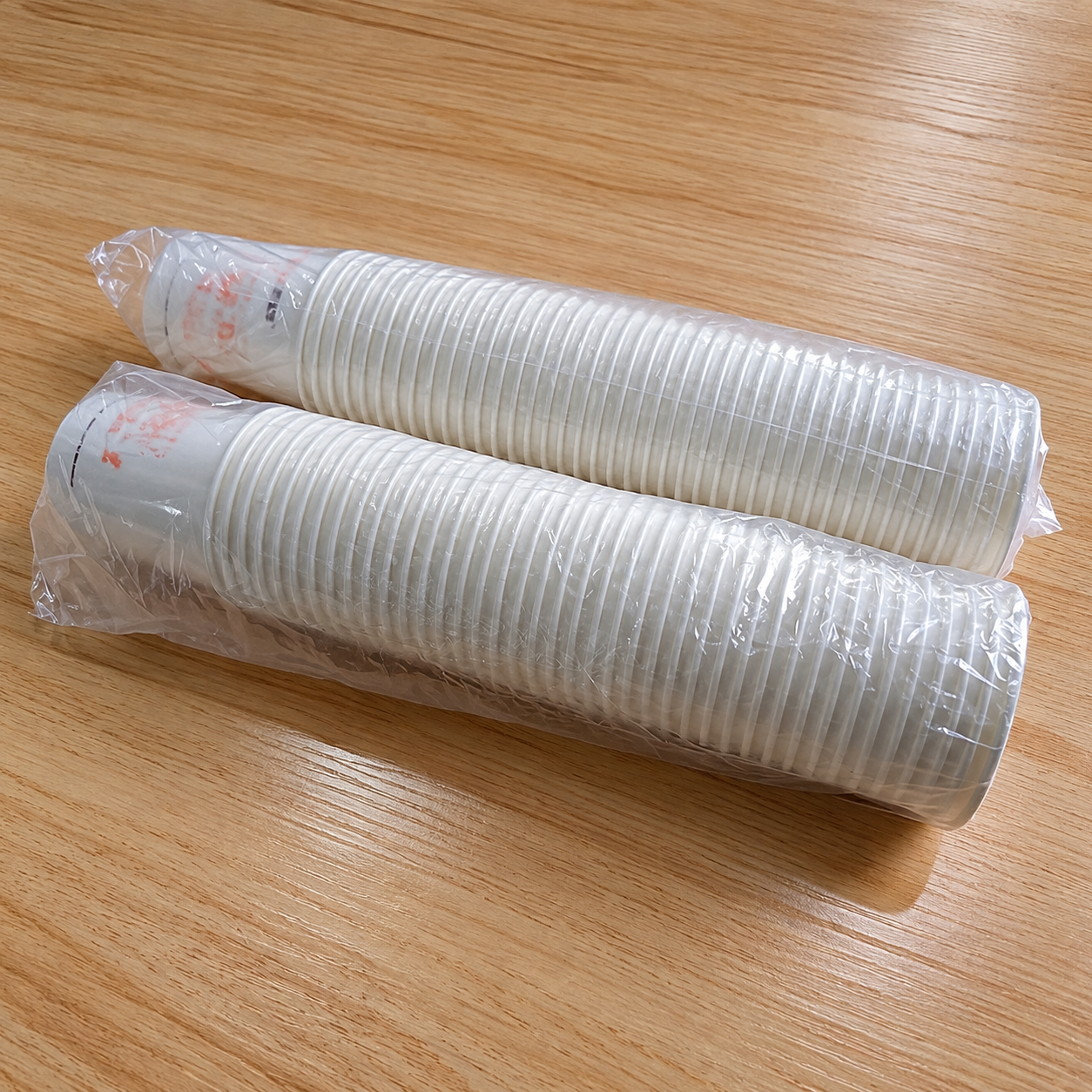
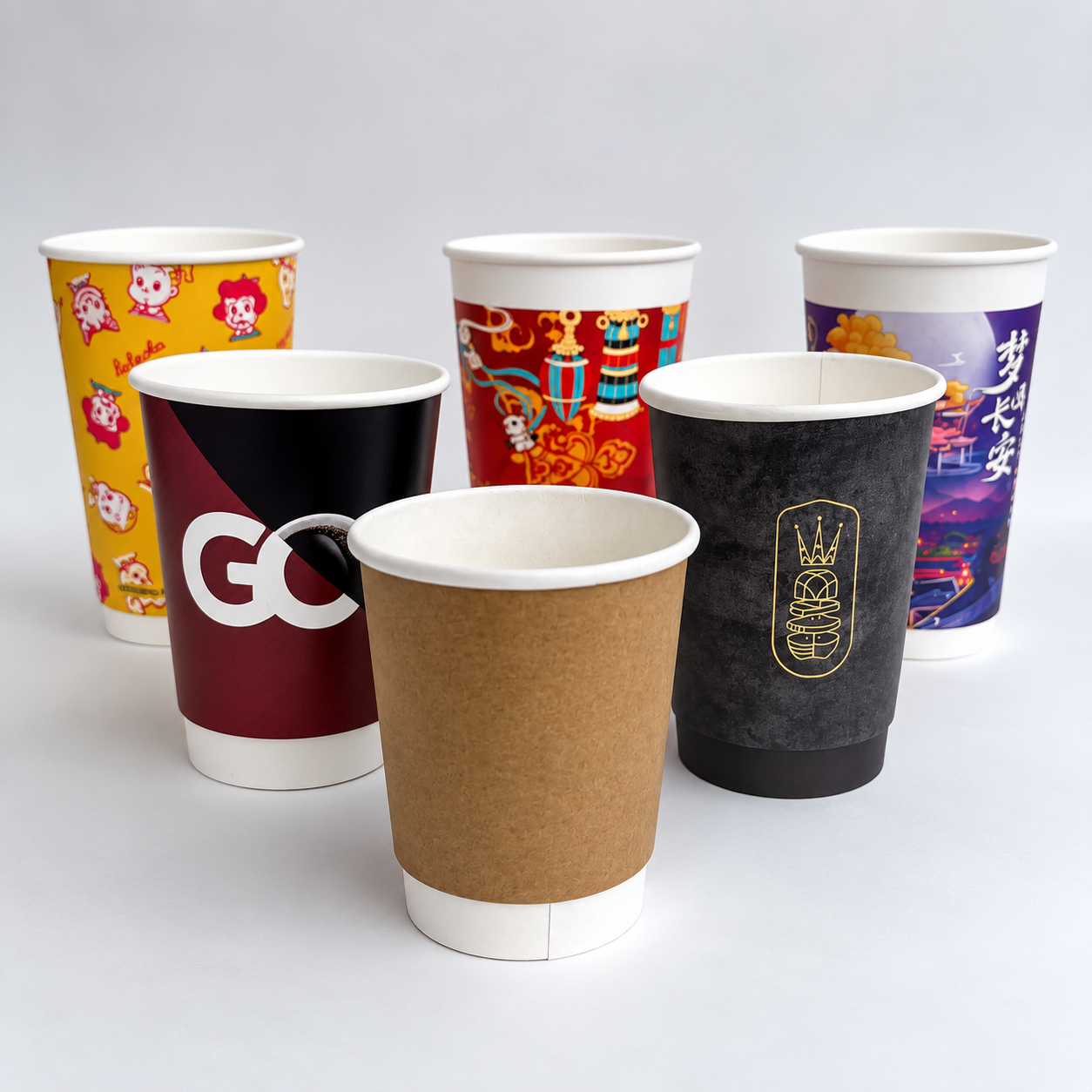
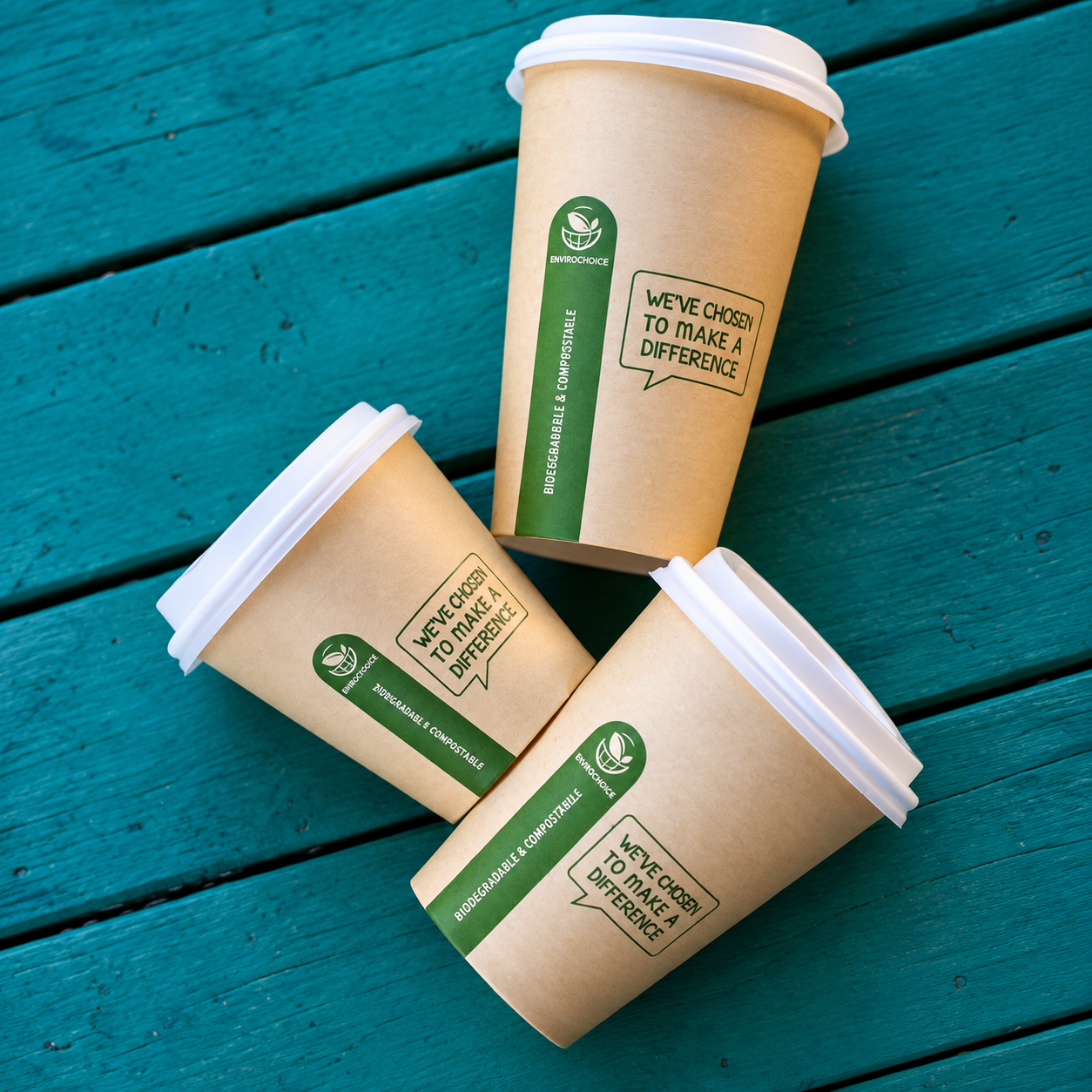
Now apply this to a pricing comparison. Suppose Supplier A quotes a lower FOB price per cup, but their carton or wall construction is bulkier, fitting fewer cartons per container. Suppose Supplier B quotes a slightly higher FOB price, but a denser carton fits more units in the same container. Once you divide your fixed ocean freight cost across each supplier’s actual cups-per-container, Supplier B’s freight-per-1,000-cups can come out lower — sometimes low enough to close or reverse the FOB price gap entirely. You can’t see this by comparing FOB price alone; you have to run both suppliers’ actual carton dimensions through the same container math.
What decides your real container count
Wall construction affects this directly. A double wall or ripple wall cup generally takes up more space per unit than a single wall cup of the same capacity, since the extra layer adds bulk even though the cup nests the same way. That’s a real trade-off against the comfort and insulation benefits those constructions offer — worth weighing alongside cost, not just citing cost alone.
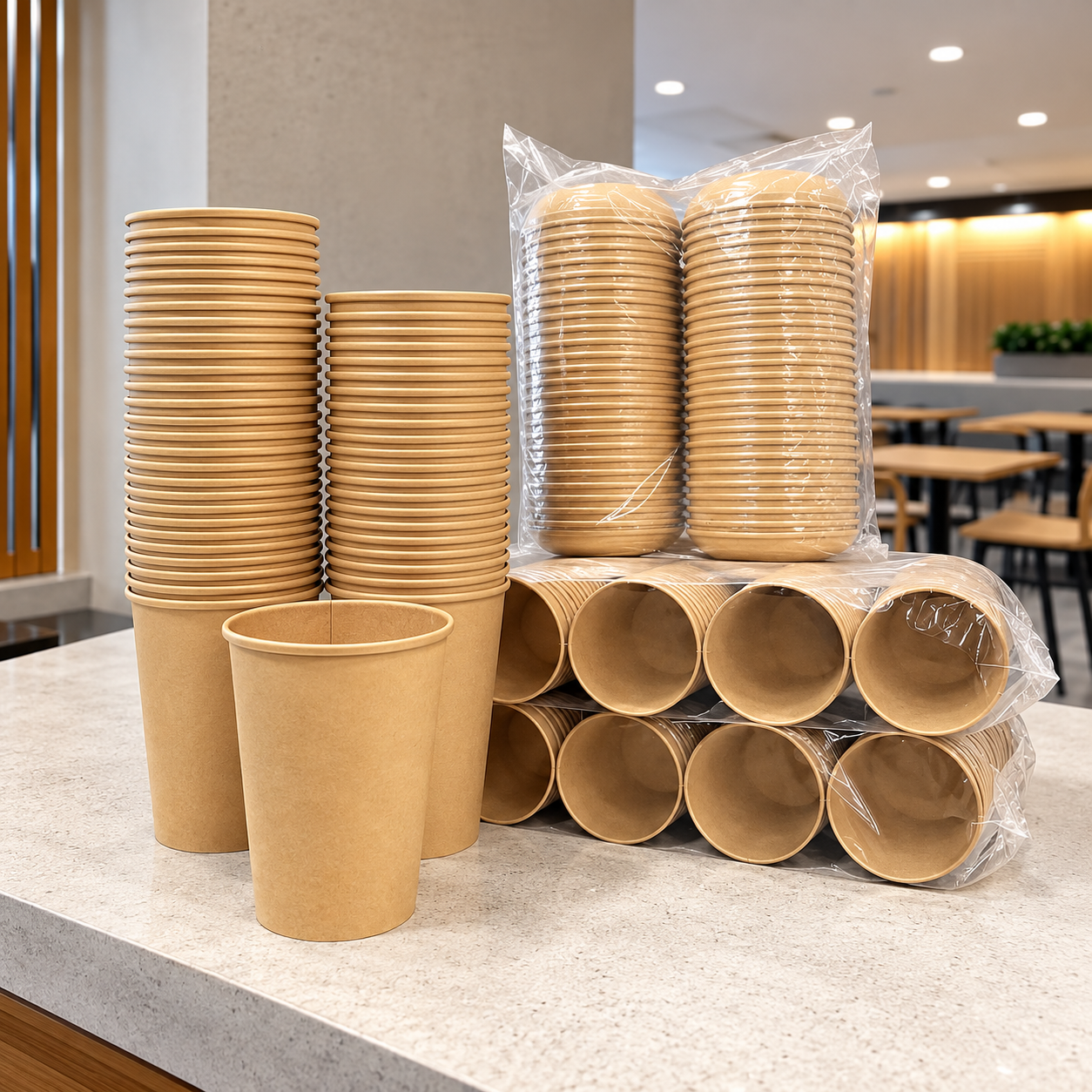
Lids, when shipped with the cups, add their own carton volume and should be included in your total CBM calculation, not treated as a rounding error. Compression and stacking tier limits inside the container also reduce usable height in practice, which is part of why realistic loading efficiency runs below the theoretical CBM figure.
What to send us for a landed-cost estimate
We can only give you an accurate landed-cost comparison once we know your actual specifications, not generic figures. Send us your cup capacity, wall construction and target carton quantity per unit, destination port and country, whether lids ship in the same container, and target order volume.
Those details let us confirm whether a 20GP or 40HQ is the more efficient choice for your order size.
Reach us through our Contact Us page with those details, and we’ll return actual carton dimensions and a cartons-per-container count for your specific order, not an illustrative estimate.
Where this guidance doesn’t generalize
This article explains the general math behind container loading and landed cost. It isn’t a substitute for an actual freight quote, and it doesn’t include duty rates, which depend on your product’s tariff classification and destination country and change independently of anything covered here.
Ocean freight rates fluctuate significantly by route, season, and carrier capacity. Any freight-per-1,000-cups figure you calculate needs a current freight quote behind it, not a fixed number assumed from a past shipment.
Realistic loading efficiency also varies by your specific carton dimensions and how well they divide into the container’s internal space — some carton sizes fit more efficiently than others even at similar CBM, due to leftover unused space at the edges.
FAQ
Is a lower FOB price always a better deal?
Not necessarily. If a lower-priced cup ships in a bulkier carton, your freight cost per cup can rise enough to offset or exceed the FOB savings. Compare landed cost, not FOB price alone.
Why don’t containers load to their full theoretical CBM?
Real cartons don’t divide perfectly into a container’s internal space, and stacking limits, lashing space, and carton-fit imperfections all reduce usable volume. This is normal and expected, not a sign of poor planning.
Does wall construction really change how many cups fit in a container?
Yes. A thicker wall construction, like double wall or ripple wall, generally takes up more volume per cup than single wall, which can reduce your cartons-per-container count for the same capacity.
Should I choose a 20GP or 40HQ container?
It depends on your order volume and cost per container versus cost per unit. Share your target quantity with us and we’ll help you compare which container size is more efficient for your specific order.
Does this calculation include duties and destination charges?
No, not directly. Duties depend on your product’s tariff classification and destination country, and destination handling charges vary by port. Those need to be added on top of the freight-per-unit figure this article explains.
Get a landed-cost estimate for your actual order
Send us your carton specs, target volume, and destination route. We’ll calculate your actual cartons-per-container and freight-per-1,000-cups instead of an illustrative estimate.